Understanding Public Housing Assistance Programs for Seniors in the United States: A Practical Guide
Learn how public housing assistance programs for seniors work in the USA. Explore affordable senior housing, low-income housing options, housing vouchers, eligibility requirements, and application steps for older adults seeking stable and affordable living arrangements.
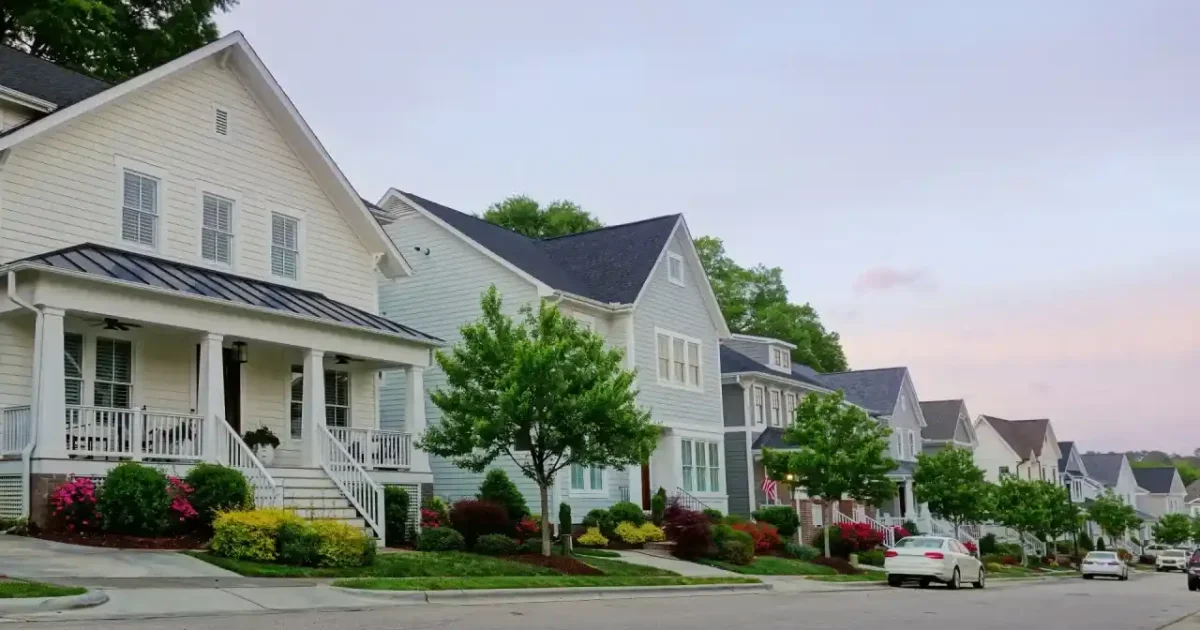
Finding safe, stable, and affordable housing is an important concern for many older adults in the United States. As housing costs continue to rise in many communities, retirees and individuals living on fixed incomes often explore various forms of housing support to help manage expenses and maintain independence.
This guide explains common housing assistance programs, eligibility considerations, application processes, and factors to consider when researching affordable housing opportunities for older adults.
What Are Public Housing Assistance Programs?
Public housing assistance programs are housing initiatives designed to help eligible individuals and families access affordable housing. These programs are typically funded by federal, state, or local governments and administered through housing authorities, nonprofit organizations, or approved property managers.
For seniors, housing assistance may help reduce monthly housing expenses while providing access to age-friendly living environments. Depending on the program, housing support may be offered through:
Subsidized rental housing
Housing vouchers
Income-based rent programs
Senior apartment communities
Affordable housing developments for older adults
Supportive housing programs for individuals with additional care needs
The specific benefits and availability of these programs vary by location and funding levels.
Why Housing Assistance Matters for Older Adults
Many retirees rely primarily on Social Security benefits, pensions, retirement savings, or other fixed-income sources. As housing costs increase, maintaining affordable living arrangements can become more challenging.
Housing assistance programs are intended to help eligible seniors:
Access affordable rental housing
Reduce housing cost burdens
Remain independent longer
Live in age-appropriate communities
Improve housing stability
Access community resources and support services
While housing assistance does not eliminate all living expenses, it may help reduce financial pressure for qualifying individuals.
Common Types of Senior Housing Assistance Programs
Public Housing for Seniors
Public housing developments are owned and managed by local housing authorities. Some communities include housing specifically designed for older adults.
Rent is generally based on household income, making public housing one of the more affordable options for eligible seniors.
Features may include:
Accessible apartment designs
Community gathering spaces
Maintenance services
Proximity to transportation
Senior-focused amenities
Availability can vary significantly by region, and waiting lists may apply.
Housing Choice Voucher Programs
Often referred to as housing vouchers, these programs allow eligible participants to rent housing from approved private landlords.
Instead of living in a government-owned property, voucher recipients may have greater flexibility in choosing where they live.
In many cases:
Participants contribute a portion of their income toward rent.
The housing assistance program covers part of the remaining eligible cost.
Housing units must meet program requirements.
Voucher availability depends on local funding and program capacity.
Affordable Senior Apartment Communities
Many private and nonprofit housing providers operate affordable apartment communities specifically for older adults.
Individuals searching for Affordable Senior Housing Near Me or Senior Living Apartments Near Me often encounter these properties.
Such communities may offer:
Age-restricted housing
Income-based eligibility
Accessible living spaces
Organized social activities
Community support resources
These properties may be funded through various federal, state, or local affordable housing initiatives.
Housing for Adults Age 62 and Older
Many housing developments are designed specifically for individuals age 62 and above.
People searching for 62 And Older Apartments Near Me are often looking for age-restricted housing communities that provide:
Independent living environments
Reduced maintenance responsibilities
Accessibility features
Senior-focused community design
Eligibility requirements may include age verification and income qualifications.
Supportive Housing Programs
Some seniors require additional support while remaining independent.
Supportive housing programs may combine affordable housing with services such as:
Transportation assistance
Meal programs
Wellness resources
Care coordination
Social services referrals
These programs vary widely depending on local community resources and provider partnerships.
Who May Qualify for Low Income Senior Housing?
Eligibility requirements differ among programs, but common factors include:
Age Requirements
Many senior housing programs require applicants to be:
At least 55 years old
At least 62 years old
Or meet specific age requirements established by the housing provider
Age criteria vary by property and program.
Income Requirements
Many forms of Low Income Senior Housing are intended for households whose income falls below certain limits.
Income calculations may consider:
Social Security benefits
Retirement income
Pension payments
Employment income
Investment income
Other eligible financial resources
Income limits often vary by county and household size.
Citizenship and Residency Requirements
Some federally funded programs may require applicants to verify:
Citizenship status
Eligible immigration status
State or local residency requirements
Applicants are generally asked to provide supporting documentation during the application process.
How to Apply for Senior Housing
Individuals researching Apply For Senior Housing opportunities often encounter different procedures depending on the provider.
Although specific requirements vary, the process commonly includes several steps.
Step 1: Research Available Programs
Start by identifying:
Local housing authorities
Senior apartment communities
Nonprofit housing organizations
Affordable housing developments
Different programs may have different eligibility requirements and waiting periods.
Step 2: Review Eligibility Requirements
Before applying, applicants should carefully review:
Age qualifications
Income limits
Household composition requirements
Documentation requirements
Understanding eligibility criteria can help avoid unnecessary application delays.
Step 3: Gather Required Documentation
Common documents may include:
Government-issued identification
Social Security documentation
Income statements
Tax records
Bank statements
Proof of residency
Housing providers may request additional information depending on program requirements.
Step 4: Submit Applications
Applications may be submitted:
Online
By mail
In person
Through local housing agencies
Applicants should follow provider instructions carefully and retain copies of submitted documents.
Step 5: Monitor Waiting Lists
Many housing assistance programs experience high demand.
As a result, waiting lists may exist for:
Public housing units
Housing vouchers
Affordable senior apartment communities
Waiting periods can vary from several months to multiple years depending on local availability.
Factors to Consider When Comparing Housing Options
When evaluating Housing For Seniors Near Me, affordability is only one factor. Seniors and families may also wish to consider: Important considerations may include: Access to healthcare providers Grocery stores Public transportation Family support networks Community resources Many older adults benefit from housing that includes: Elevators Step-free entrances Grab bars Accessible bathrooms Wider doorways Accessibility needs may change over time, making future planning important. Some seniors prefer active social communities, while others prioritize privacy and quiet living environments. Researching community features and resident services can help determine whether a property is a good fit. Even in subsidized housing, residents may still be responsible for: Utilities Internet services Parking fees Supplemental services Understanding the full cost structure is important when comparing options. While public housing assistance programs can provide valuable support, there are practical challenges that applicants should understand. These may include: Limited housing availability Waiting lists Regional differences in program funding Documentation requirements Periodic eligibility reviews Being aware of these factors can help applicants set realistic expectations and plan accordingly. Individuals seeking information about senior housing programs may find the following organizations helpful: U.S. Department of Housing and Urban Development (HUD) Local Public Housing Authorities (PHAs) State Housing Finance Agencies Area Agencies on Aging (AAA) National Council on Aging (NCOA) Eldercare Locator State and local senior services offices These organizations often provide information regarding eligibility, housing availability, and application procedures. Public housing assistance programs can play an important role in helping older adults access stable and affordable housing. Understanding the different program types and eligibility requirements can support more informed decision-making. Because housing assistance programs vary by location, funding availability, and provider requirements, prospective applicants should carefully review local options, compare eligibility criteria, and verify current program details before applying. Taking the time to research available resources can help seniors and families identify housing solutions that align with their financial circumstances and long-term needs. This article is provided for general informational purposes only and should not be considered legal, financial, housing, or eligibility advice. Program availability, benefits, requirements, and application procedures may vary by provider, location, funding availability, and individual circumstances. Applicants should verify current information directly with relevant housing authorities or program administrators. U.S. Department of Housing and Urban Development (HUD) National Council on Aging (NCOA) Eldercare Locator State Housing Finance Agencies Local Public Housing Authorities (PHAs) Area Agencies on Aging (AAA)Location
Accessibility Features
Community Environment
Total Housing Costs
Challenges and Considerations
Resources for Additional Information
Conclusion
Disclaimer
References