Understanding Paid CDL Training Programs in the United States
Learn how paid CDL training programs work in the United States, including company-sponsored CDL schools, training agreements, licensing requirements, and employment considerations. This guide explains what to expect from CDL paid training jobs, how company paid CDL training programs are structured, and what factors may influence job opportunities, compensation, and long-term career development in the trucking industry.
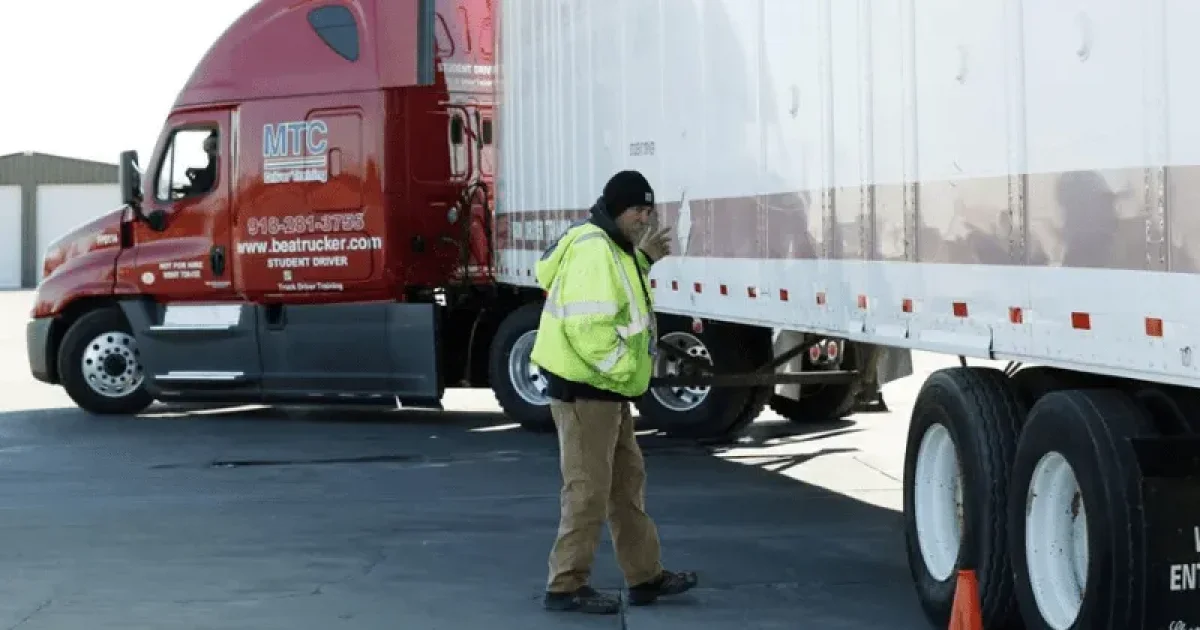
Commercial trucking remains an important part of the U.S. economy, supporting freight transportation across regional and national supply chains. As demand for qualified commercial drivers continues in many areas, paid CDL training programs have become a common pathway for individuals interested in entering the trucking industry.
Many people searching for terms such as “CDL Paid Training Jobs,” “Company Paid CDL Training,” or “Paid CDL Training Jobs Near Me” are often trying to understand how these programs work, what requirements may apply, and what to consider before enrolling. While opportunities vary by employer, location, and market conditions, understanding the structure of paid CDL training can help prospective drivers make more informed decisions.
What Is a Paid CDL Training Program?
A paid CDL training program generally refers to a trucking company or training provider that helps cover some or all of the costs associated with obtaining a Commercial Driver’s License (CDL). In some cases, trainees may also receive compensation during portions of the training process.
Commercial Driver’s Licenses are required in the United States for operating certain types of commercial vehicles, including tractor-trailers and other large freight vehicles. CDL requirements are regulated at both federal and state levels.
Traditional CDL schools often require students to pay tuition upfront. By contrast, company paid CDL training programs may reduce or defer training expenses in exchange for employment commitments after licensing.
These programs are commonly associated with:
Long-haul trucking companies
Regional carriers
Dedicated freight operators
Refrigerated transport companies
Logistics and transportation firms
Depending on the provider, programs may include classroom instruction, driving practice, testing preparation, and supervised on-the-road training.
How Company Paid CDL Training Typically Works
Although structures vary, most company paid CDL training programs follow a similar process.
Application and Screening
Applicants usually begin by submitting an application that includes employment history, driving background, and identification documents. Companies may also review:
Age requirements
Driving record history
Criminal background information
Drug screening results
Work authorization status
Federal Motor Carrier Safety Administration (FMCSA) regulations establish certain standards for commercial drivers, although individual employers may apply additional requirements.
CDL Permit Preparation
Before beginning behind-the-wheel instruction, trainees often need to obtain a Commercial Learner’s Permit (CLP). This generally involves:
Studying CDL manuals
Passing written knowledge exams
Completing medical certification requirements
Some paid CDL training programs provide study resources or online preparation materials.
Classroom and Skills Training
Training may include both classroom education and practical vehicle operation instruction. Topics commonly covered include:
Vehicle inspection procedures
Federal safety regulations
Hours-of-service rules
Defensive driving techniques
Cargo handling
Air brake systems
Backing and maneuvering skills
The duration of training can vary from several weeks to multiple months depending on the program structure and licensing class.
Road Training and Mentorship
After obtaining a CDL, new drivers may complete a period of supervised driving with an experienced trainer or mentor. During this phase, trainees gain practical exposure to:
Route planning
Fuel management
Freight handling procedures
Electronic logging devices
Highway driving conditions
Customer delivery processes
This stage is often considered important for building operational confidence and safety awareness.
Understanding Employment Commitments
One of the most important considerations with paid CDL training jobs involves employment agreements.
Many company-sponsored programs require drivers to work for the sponsoring carrier for a specified period after training completion. Common commitment periods may range from several months to over a year.
If a trainee leaves before fulfilling contractual obligations, repayment requirements may apply for portions of training costs.
Prospective drivers often review factors such as:
Length of commitment
Repayment terms
Starting pay structure
Route assignments
Home time expectations
Equipment quality
Benefits eligibility
Reading all agreements carefully can help applicants understand potential financial responsibilities and working conditions.
Types of Paid CDL Training Jobs
Paid CDL training opportunities exist across several transportation sectors.
Over-the-Road (OTR) Trucking
OTR driving involves long-distance freight transportation across multiple states. These positions may offer:
Extensive driving experience
Broader route exposure
National freight networks
However, OTR schedules can involve extended time away from home.
Regional Trucking
Regional routes generally operate within a smaller geographic area. Drivers may experience:
More predictable schedules
Increased home time
Shorter route distances
Availability varies by region and freight demand.
Dedicated Freight Routes
Dedicated routes involve servicing specific customers or supply chains. These roles may provide:
Consistent delivery schedules
Familiar routes
Stable freight assignments
Some paid CDL training jobs eventually transition drivers into dedicated operations.
Local Driving Opportunities
Certain companies offer local or short-haul positions after drivers gain experience. These jobs may include:
Daily home time
Urban or suburban delivery routes
Specialized freight handling
Local positions sometimes require prior experience before eligibility.
Factors That Influence CDL Training Availability
The availability of paid CDL training jobs near me can depend on several factors.
Geographic Demand
Freight activity varies by region. Areas with major logistics hubs, distribution centers, ports, or manufacturing operations may have stronger demand for commercial drivers.
Seasonal Shipping Trends
Transportation hiring may fluctuate during peak retail periods, agricultural cycles, or economic shifts.
Driver Shortages
In some markets, carriers increase training investments when demand for qualified drivers rises.
Insurance and Safety Policies
Some employers have stricter eligibility requirements due to insurance guidelines or safety records.
Costs and Financial Considerations
Although many programs advertise paid CDL training, understanding the financial structure remains important.
Potential expenses may include:
CDL permit fees
License testing fees
DOT medical examinations
Transportation to training facilities
Lodging arrangements
Meal expenses
Some employers reimburse certain costs over time, while others may deduct expenses through payroll arrangements.
Applicants often compare:
Tuition coverage
Compensation during training
Mileage pay structures
Sign-on incentives
Benefit packages
Contract obligations
A careful review of total compensation rather than only initial pay rates may provide a more accurate picture of long-term value.
Evaluating Training Quality
Not all CDL training programs operate the same way. Training quality can influence both safety outcomes and long-term career development.
Important factors may include:
Instructor Experience
Experienced trainers can provide practical guidance related to real-world driving conditions and compliance standards.
Equipment Condition
Modern equipment and properly maintained vehicles may improve training effectiveness.
Safety Focus
Programs emphasizing defensive driving, compliance, and operational safety may better prepare new drivers for industry expectations.
Student-to-Instructor Ratios
Smaller training groups sometimes allow for more individualized instruction time.
Job Placement and Retention
Some applicants review retention rates or post-training employment stability when evaluating providers.
Career Outlook for Commercial Drivers
The trucking industry continues to play a central role in freight transportation across the United States. According to the U.S. Bureau of Labor Statistics (BLS), heavy and tractor-trailer truck drivers represent a large segment of the transportation workforce.
Industry conditions may be influenced by:
Fuel prices
Freight demand
Supply chain activity
Regulatory changes
Economic cycles
Infrastructure development
While earnings and opportunities vary, many drivers eventually specialize in areas such as:
Tanker operations
Flatbed hauling
Refrigerated freight
Hazmat transportation
Oversized loads
Dedicated contract services
Additional endorsements and experience may affect earning potential over time.
Common Questions About Paid CDL Training
Are paid CDL training jobs legitimate?
Many established transportation companies operate legitimate training programs. However, applicants should carefully review contracts, repayment clauses, and licensing requirements before enrolling.
Can trainees earn income during training?
Some programs provide compensation during portions of training or mentorship phases, while others may offer unpaid instruction followed by paid driving periods.
Is prior experience required?
Many entry-level company paid CDL training programs are designed for individuals without prior commercial driving experience.
How long does CDL training take?
Program timelines vary widely depending on the provider, licensing class, and training structure. Some programs may last only a few weeks, while others include extended mentorship periods.
Are there opportunities close to home?
Searches for “Paid CDL Training Jobs Near Me” often produce results based on regional freight networks and local employer demand. Availability depends heavily on geographic location.
Researching Programs Carefully
Individuals considering CDL paid training jobs often compare multiple factors before choosing a provider.
Practical research steps may include:
Reviewing FMCSA safety information
Comparing training agreements
Understanding compensation structures
Checking state licensing requirements
Reviewing company safety ratings
Evaluating home time expectations
Reading independent driver experiences
Careful research can help prospective drivers better understand both short-term training conditions and long-term career implications.
Conclusion
Paid CDL training programs provide one pathway into the commercial trucking industry for individuals seeking to obtain a Commercial Driver’s License without paying full tuition upfront. These programs can vary significantly in structure, compensation, contractual obligations, and training quality.
Understanding how company paid CDL training works, including employment commitments, licensing requirements, and operational expectations, may help applicants evaluate whether a particular program aligns with their goals and circumstances.
As with any career decision, reviewing agreements carefully, researching providers thoroughly, and understanding industry requirements can support more informed decision-making.
Disclaimer
This article is provided for general informational purposes only. Program structures, compensation, licensing requirements, eligibility standards, and employment terms may vary by company, state, and individual circumstances. Readers should verify all details directly with training providers, employers, and relevant regulatory agencies.
References
Federal Motor Carrier Safety Administration (FMCSA)
U.S. Bureau of Labor Statistics (BLS)
Commercial Vehicle Training Association (CVTA)
State Department of Motor Vehicles (DMV) resources
American Trucking Associations (ATA)