The Definitive Guide to Wired Home Security Cameras (2025)
Discover the best wired home security cameras of 2025 for unbeatable reliability, PoE setups, smart integration & professional monitoring — what to know before you buy.
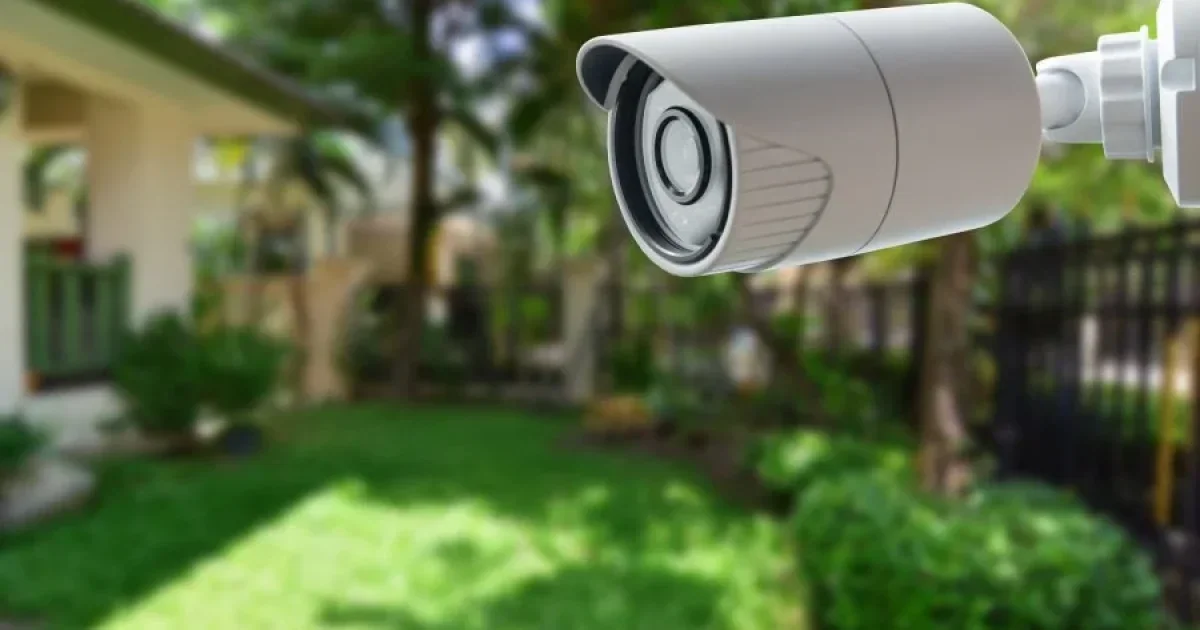
When it comes to protecting your home, reliability matters more than ever. In 2025, wired home security cameras continue to set the standard for stability, image quality, and uninterrupted protection. While wireless systems offer flexibility, wired cameras deliver the consistent performance that serious homeowners rely on. This guide explores the top-rated wired systems of the year — what makes them different, why they last longer, and how to choose the right setup for your peace of mind. In today’s world, where home safety is more important than ever, choosing the right surveillance setup can make a world of difference. While wireless and “wire-free” options are convenient, the most trusted standard for stable, always-on protection continues to be wired home security cameras. Research consistently shows that visible security cameras can reduce local crime rates by up to 20%. For homeowners who prioritize stability and reliability, a wired connection offers a level of confidence that Wi-Fi systems simply cannot match.Why Wired Security Remains the Gold Standard
This guide explores the best wired security camera systems of 2025, explains how wired technology differs from wireless setups, and helps you understand which type suits your home best — without unnecessary hype or bias. In the world of security systems, the term “wired” can cause confusion. Every camera needs power, but how data is transmitted defines its reliability. Wired Cameras send both power and data through physical cables — often Ethernet. Wireless Cameras may plug into an outlet but depend on Wi-Fi for data transfer, making them vulnerable to connection drops. Wire-Free Cameras run on batteries or solar panels and use Wi-Fi, prioritizing mobility over long-term stability. If your goal is uninterrupted performance and continuous video recording, a true hardwired system — one that uses physical cabling for both power and data — is the superior choice. Why would anyone choose a wired system when wireless options seem easier? The answer lies in performance and peace of mind. A wired connection ensures your camera keeps recording even when Wi-Fi lags, drops, or experiences interference. Ethernet cables allow higher bandwidth, which means smoother streaming and clearer, uncompressed video footage — especially for 4K Ultra HD systems. PoE cameras use a single Ethernet cable for both data and power, reducing clutter and improving stability. Hardwired systems are more difficult to tamper with since physical access is required to disrupt them. Wireless systems can sometimes be interrupted remotely or jammed via signal interference. The installation might require more effort upfront, but the long-term dependability of wired systems makes them an enduring favorite among both homeowners and professionals. Based on expert analysis, performance testing, and user reliability scores, these are the top-rated wired home security camera systems to consider in 2025. Expert Rating: 9.2/10 Lorex continues to set industry benchmarks for wired security solutions. Known for robust outdoor cameras and strong build quality, their lineup includes bullet, dome, and turret designs — many offering 4K Ultra HD resolution. Why It Stands Out: Free local storage options (up to 2TB via Network Video Recorder). No recurring subscription fees. Power over Ethernet (PoE) compatibility for simpler installation. Advanced night vision and features like motion tagging and person detection. Consideration: Lorex focuses on self-monitoring, which suits tech-savvy users but doesn’t include professional monitoring services. Expert Rating: 9.2/10 Ring’s wired cameras integrate seamlessly with Amazon Alexa, making them ideal for smart-home users. Highlights: Easy DIY setup for most wired models, including Stick Up Cam, Spotlight Cam, and Floodlight Cam. Resolution: 1080p to 2K, depending on the model. Voice Control: Real-time monitoring through Echo devices. Ring offers a reliable balance of ease-of-use and intelligent functionality for households already built around smart ecosystems. Expert Rating: 9.3/10 As one of the most established names in home protection, ADT combines high-tech wired cameras with 24/7 professional monitoring — a service that differentiates it from DIY-oriented brands. What Makes It Stand Out: Integrated partnership with Google Nest for advanced AI features like facial recognition. Cameras can be bundled into ADT’s monitored plans for seamless operation. A strong reputation for service reliability and emergency response. For homeowners wanting a fully managed, no-compromise system, ADT remains a top-tier option. Google Nest (8.5/10) – Best for indoor monitoring, with a minimalist design and strong Google Home integration. Arlo (8.2/10) – Best DIY wired option, combining ease of use with flexible setup. Swann (6.7/10) – Best budget choice for those who want local storage and 4K resolution at an accessible price. Each of these systems offers distinct strengths depending on your security goals — from budget flexibility to full smart-home synchronization. When exploring wired options, it’s essential to understand how the camera receives power and transmits data. Feature Wired for Power (Wi-Fi Data) Power Over Ethernet (PoE) Power Source AC outlet Delivered through Ethernet cable Data Transmission Wi-Fi Ethernet cable Reliability Moderate (dependent on Wi-Fi) Excellent (stable and secure) Installation Easier Requires Ethernet cabling Best For Simple setups Long-term professional-grade systems For homeowners prioritizing reliability, PoE cameras are considered the “gold standard” — combining clean installation, stable video quality, and uninterrupted data flow. Wired home security cameras are not about convenience — they’re about commitment to long-term safety. The combination of consistent connection, superior video quality, and resilience against interference makes them the dependable choice for 2025 and beyond. Choose Lorex for high-performance outdoor monitoring and local storage freedom. Opt for Ring if smart-home compatibility is your priority. Select ADT for the most comprehensive, professionally managed system. Whatever your choice, investing in a hardwired home security setup ensures that your property remains protected — even when your Wi-Fi doesn’t. Because real peace of mind comes from reliability you can trust, not just convenience.Understanding What Wired Really Means
The Core Benefits of Going Wired
1. Consistent Connection
2. Better Data Quality
3. Power Over Ethernet (PoE) Efficiency
4. Built-In Security Advantage
Best Wired Security Camera Systems of 2025
1. Lorex – Best Overall for Outdoor Reliability
2. Ring – Best for Smart Home Integration (Alexa)
3. ADT – Best for Professional Monitoring and Complete Systems
4. Other Notable Options for Specific Needs
Wired for Power vs. Power Over Ethernet (PoE): Understanding the Difference
Final Thoughts