Salvation Army Adult Day Programs: A Practical Overview for Senior Care Planning
As the U.S. senior population continues to rise, many families search for affordable senior care options, daytime supervision for elderly parents, and support services for family caregivers. One community-based option often explored is Salvation Army Adult Day Services—programs designed to support older adults who live at home but benefit from structured daytime care, social engagement, and supervision.
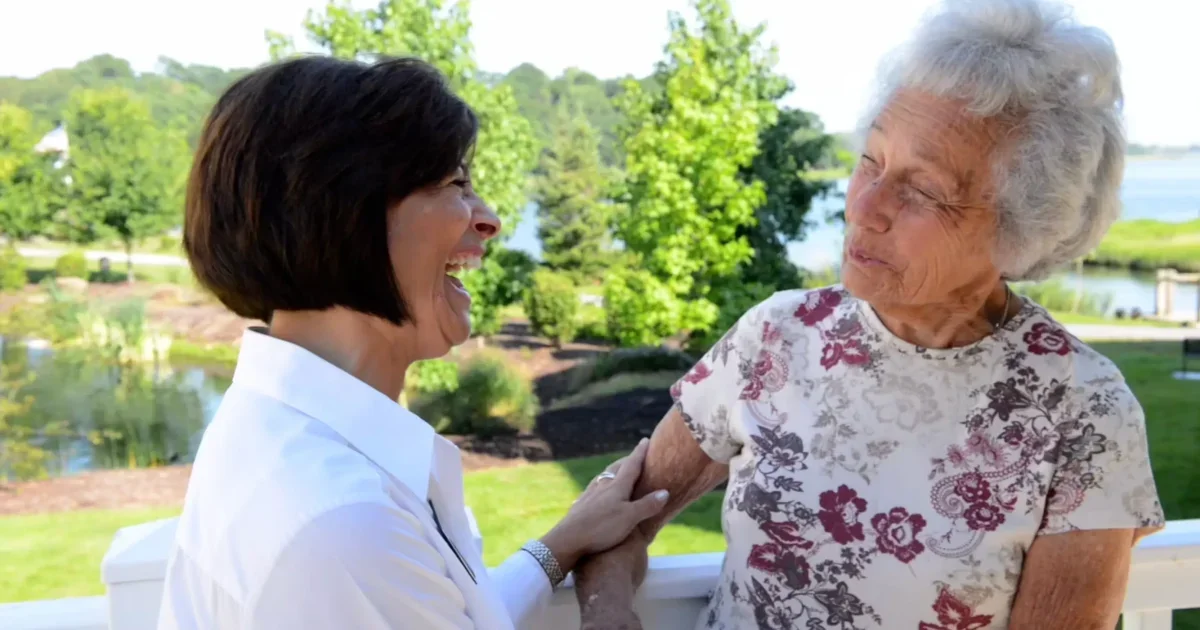
What Are Salvation Army Adult Day Services?
Adult Day Services offered by Salvation Army community centers—such as Samaritan-style centers in various regions—focus on daytime care for seniors who require supervision, structured activities, and social interaction during business hours. The guiding principle is often described as supporting how seniors live, without changing where they live. Unlike residential senior housing, Adult Day Programs typically emphasize:
Social engagement and companionship
Cognitive and memory-friendly activities
Wellness-focused daily routines
Light personal assistance
Safety monitoring
Respite care for family caregivers
These programs may appeal to families comparing adult day care vs assisted living or researching senior care alternatives that support aging in place.
Core Services Commonly Offered
Program details vary by location, but many Salvation Army Adult Day Centers provide a consistent set of services commonly associated with community-based senior care programs.
1. Structured Social & Recreational Activities
Daily schedules often include:
Gentle physical movement
Arts, crafts, and music
Group games and discussions
Memory-supportive activities
Seasonal and community events
These activities aim to reduce isolation and support emotional wellbeing—an important factor for seniors living alone.
2. Individualized Participation Plans
Participants are usually assessed to help tailor activities around:
Personal interests
Cognitive and physical abilities
Social comfort levels
This individualized approach supports dignity and engagement without medicalizing daily life.
3. Meals and Nutritional Support
Most Adult Day Programs include:
Nutritious lunch
Morning and afternoon snacks
Accommodations for common dietary needs
Proper nutrition is a key component of senior wellness and daily energy levels.
4. Supervision & Basic Health Observation
While not a medical facility, some centers may offer:
General wellness observation
Medication reminders (policy-dependent)
First aid response
Access to nursing staff for basic support
Families researching non-medical senior supervision options often consider this level of care sufficient for daytime needs.
5. Transportation Options
Some programs offer scheduled transportation, which can be helpful for seniors who no longer drive or for working caregivers managing limited availability.
Benefits for Seniors and Family Caregivers
Supporting Independent Living
Adult Day Services can help delay the need for full-time assisted living, supporting seniors who wish to age at home while remaining active and supervised during the day.
Reducing Social Isolation
Regular group interaction helps combat loneliness—a common concern among older adults and a frequent search topic related to senior mental health support.
Reliable Caregiver Respite
For families balancing employment and caregiving, Adult Day Programs provide:
Predictable daytime coverage
Peace of mind regarding safety
Structured routines for seniors
This makes them relevant for those searching caregiver support services near me.
Cost-Conscious Senior Care Option
Compared with residential senior care, Adult Day Services are often explored as a more affordable senior care alternative. Some locations may accept:
Certain Medicare-related supports (varies)
Veterans-related assistance
Local or county funding
Community-based subsidies
Eligibility and coverage depend on regional policies and should always be confirmed locally.
Who May Benefit Most from Adult Day Programs?
Salvation Army Adult Day Services may be suitable for seniors who:
Live at home but need daytime supervision
Experience boredom or isolation
Have mild to moderate cognitive decline
Benefit from structured routines
Require a safe, supervised environment during work hours
They are commonly considered by families not yet ready for assisted living placement but needing more than occasional in-home help. Care Type General Description Typical Use Case In-Home Care Assistance provided in the senior’s home Daily personal tasks Adult Day Services Daytime supervision, activities, meals Seniors living at home Assisted Living Residential care with daily support Ongoing assistance needs Skilled Nursing Medical-level residential care Advanced health conditions Adult Day Services occupy a practical middle ground within the senior care continuum. Many Salvation Army Adult Day Programs operate with multidisciplinary teams that may include: Licensed social workers Nursing professionals Activity coordinators Transportation staff Trained volunteers This structure supports both participant safety and family confidence. Families interested in Adult Day Services typically: Locate a nearby Salvation Army center Request program details and availability Schedule an on-site visit Discuss individual care needs Review hours, transportation, and costs Availability may vary seasonally and by location. Salvation Army Adult Day Programs provide a community-based, structured option for families seeking daytime senior care, caregiver support, and affordable alternatives to assisted living. By focusing on supervision, social engagement, and routine, these services help seniors remain connected, active, and supported—while offering caregivers essential peace of mind. As interest in aging-in-place solutions continues to grow, Adult Day Services remain an important component of modern senior care planning. This content is for general informational purposes only. Program availability, services, eligibility requirements, and funding options vary by location. This article does not provide medical, legal, or financial advice. Families should consult local Salvation Army centers or qualified professionals for personalized guidance.Adult Day Services vs Other Senior Care Options
Staff & Program Support Structure
How Families Can Explore Enrollment
Conclusion
Disclaimer