Roof Repair for Seniors and Low-Income Families in the U.S.: A Practical Guide to Storm Damage, Leak Detection, Shingle Replacement, and Contractor Selection
For many older homeowners and low-income families, roof problems are not just a maintenance issue. They can quickly become a safety, budgeting, and insurance issue at the same time. That is especially true after wind, hail, heavy rain, or fallen tree damage, when people may start searching for phrases such as affordable storm damage roof repair near me or urgent metal roof storm damage repair near me because they need help fast but still want to make careful decisions.
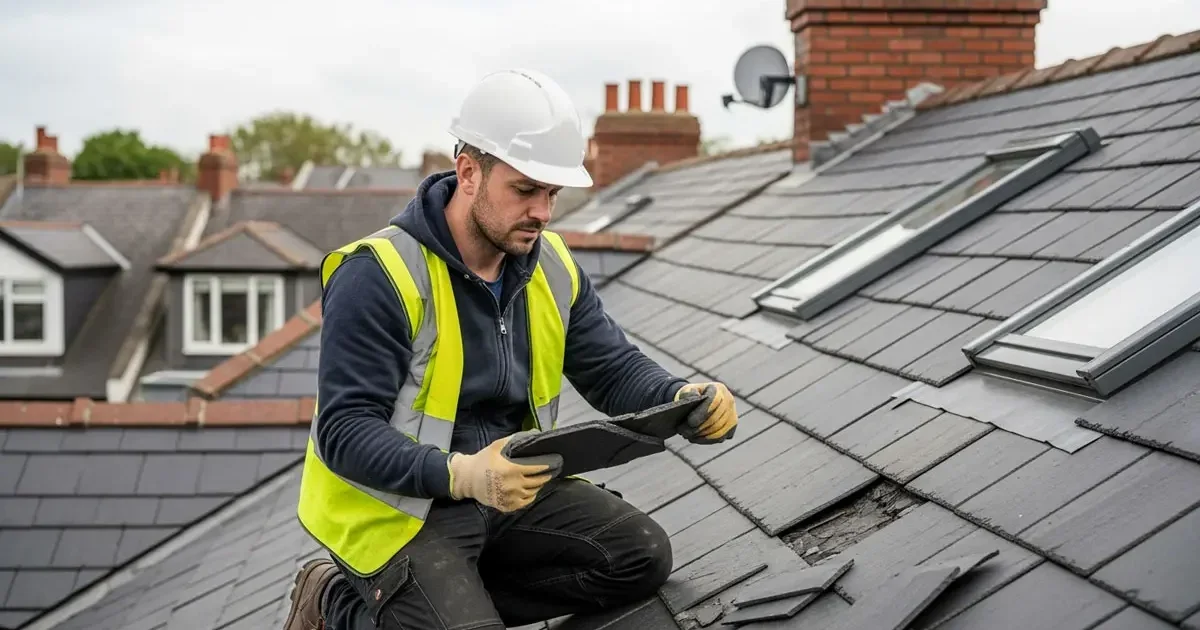
Many people also encounter service terms such as free inspection, leak detection, storm damage repair, shingle replacement, and insurance claim support while comparing roofing companies. Those terms can be useful starting points, but they should be understood carefully. In practice, each service depends on roof condition, material type, the extent of damage, and whether the work is being reviewed for insurance purposes.
A roof problem can feel even more complicated for seniors who are living on a fixed income, managing mobility limitations, or trying to avoid rushed contractor decisions after a storm. In practice, roof repair decisions usually involve more than the repair itself. Homeowners may need to think about insurance claims, safety inspections, temporary protection, contractor credentials, and whether the roof should be repaired or partially upgraded to reduce future damage. The National Roofing Contractors Association advises property owners to inspect storm damage from the ground and leave closer assessment and repairs to professionals.
This guide explains how roof repair for seniors and low-income families typically works in the U.S., what to look for after storm damage, how metal and tile repairs differ, what service categories usually mean, and how to compare contractors in a careful and financially realistic way.
Why roof repair decisions can be more complex for seniors
For older adults, roof repair often involves practical issues beyond construction. Water intrusion can create slip hazards, ceiling damage, mold risk, and electrical concerns. When repairs are delayed, small leaks may turn into larger structural problems. FEMA notes that roof leaks can lead to ceiling damage and may threaten electrical components in the home.
There is also a timing issue. After storms, homeowners may receive multiple unsolicited offers, which can make it harder to compare bids carefully. That matters because HUD has warned that deceptive contractors have overcharged homeowners and performed poor-quality work in connection with home repair financing programs.
For seniors, the best approach is usually not the fastest verbal promise, but the clearest written process:
confirm safety first
document visible damage
review insurance options
compare contractor scope and materials
understand payment terms before work begins
Why this topic also matters for low-income families
Although this guide focuses on older homeowners, many of the same issues also affect low-income families. A roof leak or storm-damaged section can create urgent pressure because the household may need to balance safety, repair timing, deductible costs, temporary protection, and day-to-day living expenses at once. In that setting, searches for affordable storm damage roof repair near me are often less about finding the absolute cheapest option and more about finding a contractor process that is understandable, documented, and financially realistic.
For both seniors and low-income households, the most useful starting point is often a structured decision process: confirm safety, document visible signs of damage, request a written inspection summary, ask whether repair or limited replacement is being recommended, and clarify whether insurance or disaster-related assistance may play a role. This type of step-by-step review is especially important when budgets are tight and rushed decisions can lead to higher long-term costs.
What usually happens after storm damage
After a storm, roof repair usually moves through several stages rather than one immediate fix.
1. Initial safety check
Property owners should look from the ground for missing materials, bent flashing, fallen branches, visible dents, or interior signs such as water stains and attic moisture. NRCA recommends avoiding self-repair and close-up roof inspection from the roof surface.
2. Temporary protection
If active leaking is present, temporary measures such as tarping may be used until a full inspection is completed. In declared disasters, temporary protective steps may also intersect with FEMA or other recovery processes. FEMA states that some home repair assistance may be available for disaster-related damage not covered by insurance or other sources.
3. Documentation and claim review
Homeowners often photograph exterior and interior damage, note the storm date, and contact their insurer. The Insurance Information Institute explains that claims follow defined procedures and that policyholders should review what their homeowners policy covers. Triple-I also notes that standard homeowners policies commonly cover many storm-related perils, though coverage varies by policy.
4. Inspection and repair proposal
A contractor then evaluates whether the issue is limited repair, section replacement, or a broader restoration project. This is where material type matters.
What homeowners should understand about inspection, leak detection, shingle replacement, and claim support
Free inspection
A free inspection generally refers to an initial assessment of visible roof conditions, storm-related issues, and possible repair needs. It does not always mean a full engineering review or invasive testing. For seniors, an inspection can still be useful because it may help identify whether there are missing shingles, damaged flashing, damaged metal seams, punctures, or visible signs that additional professional evaluation is needed.
Leak detection
Leak detection is important because water entry points are not always obvious from the inside of the home. A ceiling stain may appear far from the actual source of intrusion. On sloped roofs, water can travel along decking or framing before becoming visible indoors. A careful roof repair process often includes checking penetrations, flashing transitions, valleys, seams, and attic conditions to understand whether the problem is isolated or part of a broader moisture issue.
Storm damage repair
Storm damage repair can include work related to wind-lifted shingles, hail impact, damaged flashing, fallen debris, punctures, loosened fasteners, or moisture intrusion after severe weather. Homeowners should ask whether the proposal addresses only visible damage or also includes likely hidden damage that may affect the roof's ability to shed water properly.
Shingle replacement
Shingle replacement may involve a few damaged shingles, a defined section, or a larger area if wind or hail has affected surrounding materials. For older homeowners, it is helpful to ask whether matching shingles are still available, whether the underlayment has been affected, and whether the repair is expected to restore function, appearance, or both. When a contractor recommends replacement rather than repair, the written explanation should make clear why that recommendation is being made.
Insurance claim support
Insurance claim support usually means the contractor helps organize inspection photos, repair notes, measurements, and itemized observations that the homeowner can use during the claims process. This support can be helpful after storms, but it should not be confused with a promise that coverage will be approved. Homeowners still need to review the terms of their policy, deductible structure, and insurer requirements. For seniors and low-income households alike, the most useful form of support is often clear documentation that matches the visible condition of the roof and the proposed scope of work.
Roof repair is not the same for every roof type
Asphalt and common residential systems
Many senior households have asphalt shingle roofs. Repairs may involve replacing missing shingles, sealing penetrations, repairing flashing, or addressing decking damage beneath the surface. These projects can be relatively straightforward if damage is limited and caught early.
Metal roofs
Searches such as best metal roof repair specialists near me or urgent metal roof storm damage repair near me usually reflect a more specialized need. Metal roof systems can fail at seams, fasteners, flashing details, penetrations, or after hail and wind events. Some systems are easier to patch than others, and not every roofer works regularly with standing seam or exposed-fastener metal roofs.
For seniors, that distinction matters because an inexpensive general repair can be less useful if it does not address the actual failure point. A proper proposal should explain:
whether the damage is cosmetic, functional, or both
whether panels, seams, fasteners, or trim are affected
whether corrosion or previous patching is part of the problem
whether the recommended repair is compatible with the existing roof system
Tile roofs
Tile roofs are common in some regions and on some commercial properties. Searches like commercial tile roof repair contractors dallas suggest a different project type from a standard single-family home. Commercial tile repair may involve underlayment issues, broken tiles, drainage details, rooftop equipment penetrations, and larger liability or access requirements. A small retail building, office property, or mixed-use site may also need a contractor who is set up for commercial documentation, scheduling, and insurance coordination.
A simple comparison table for seniors and small property owners
Situation Common concern Typical decision factor Minor residential leak Stopping water intrusion quickly Whether limited repair is enough Storm-related shingle damage Insurance documentation Scope of visible and hidden damage Metal roof seam or flashing issue Need for specialty repair Contractor experience with metal systems Tile roof damage on commercial property Access, underlayment, liability Commercial roofing capability Small business roof damage Downtime and budget control Repair timeline and written scope How common service categories are usually understood
Service term What it usually means What homeowners should ask Free inspection Initial visual assessment of roof condition Is it visual only, or does it include attic/interior review? Leak detection Tracing likely source of water intrusion Was the source confirmed or only estimated? Storm damage repair Repair of wind, hail, debris, or water-related roof issues What visible and hidden damage is included? Shingle replacement Replacement of damaged shingles or affected sections Are matching materials and underlayment included? Insurance claim support Photos, notes, and documentation for the homeowner What documents will be provided for the claim file? How to evaluate “affordable” without focusing only on the lowest price
Many searches use the word “affordable,” including affordable storm damage roof repair near me and affordable commercial roof repair for small business. In practice, affordability is not only about the smallest estimate. It usually means finding a repair approach that is financially manageable, technically appropriate, and well documented.
A lower quote may leave out disposal, underlayment repair, flashing replacement, permit handling, warranty details, or temporary weather protection. That can make comparisons misleading. A more useful way to compare estimates is to ask:
What exact areas are being repaired?
Are damaged substrates or underlayment included?
Are matching materials available?
Is temporary weather protection included?
What is excluded from the price?
Will insurance paperwork or photos be provided if requested?
For small businesses, “affordable” may also mean minimizing interruption to operations rather than simply choosing the lowest bid.
Funding and insurance paths seniors may consider
Some seniors can fund roof work through insurance proceeds, savings, financing, or disaster-related assistance depending on the situation.
HUD notes that FHA-insured programs such as Title 1 and 203(k) can support eligible renovation and repair financing, while also warning consumers about deceptive contractor behavior. HUD also highlights grant activity for older adult home modification efforts aimed at helping low-income seniors remain safely in their homes, though these programs are generally broader home safety initiatives and not a guaranteed roof-repair benefit for every applicant.
For declared disasters, FEMA says eligible homeowners may receive assistance for certain necessary home repairs not covered by insurance. The SBA also states that homeowners may apply for disaster loans for primary-residence repairs, and eligible borrowers may request additional mitigation funding of up to 20% of verified physical damage to reduce future losses.
That does not mean every senior homeowner will qualify, but it does mean storm-related roof damage should be evaluated in the context of insurance and recovery options, not only out-of-pocket payment.
Red flags to avoid when choosing a roofing contractor
Older homeowners are often targeted after storms, so contractor screening matters. Useful warning signs include:
pressure to sign immediately
vague or missing written scope
unusually large upfront cash demand
no proof of insurance or licensing where required
promises that sound broader than the inspection supports
reluctance to explain materials, warranty limits, or exclusions
The FTC and HUD both provide cautionary guidance around fraud and deceptive home-repair practices, especially where consumers may feel pressure after a damaging event.
A safer process is to compare written proposals, verify credentials required by state or local rules, and keep all claim and repair documents organized.
Special considerations for seniors living alone
Seniors living alone may benefit from a more structured repair workflow. That can include having a family member, neighbor, property manager, or trusted advisor present during inspections. It may also help to ask contractors to explain findings in plain language and provide photos that match the written estimate.
This is especially useful when the damage is less obvious, such as hail impact on metal panels, flashing separation, or underlayment issues beneath tile. Triple-I notes that hail damage can be hidden and may not always be reported quickly, even though roofs are especially vulnerable to storm loss.
Common roof-repair priorities by age group
Some advertising creatives organize roof-repair information by age range. In practice, age groups do not determine the technical repair itself, but they can reflect different homeowner priorities when comparing inspection, repair, and budgeting decisions.
50-60 years old
Homeowners in this group may be more focused on preventing a small roof issue from becoming a larger capital expense. They often compare repair-versus-replacement value, insurance timing, and whether storm damage should be addressed immediately to avoid interior damage.
61-70 years old
This group may place more emphasis on predictability, contractor reliability, and documentation. Clear inspection findings, written scope details, and realistic timelines can be especially important when the goal is to control costs while avoiding repeated repairs.
71-80 years old
For many homeowners in this age range, convenience and safety may become even more important. That can include avoiding self-inspection, arranging for a family member to review estimates, and choosing a contractor who can explain leak detection, storm repair scope, and material options in plain language.
Over 80 years old
Older homeowners in this group may prioritize support, simplicity, and a step-by-step process. They may benefit from having inspection photos, written notes, and claim-related documents organized clearly so that a trusted family member, caregiver, or advisor can help review the decision.
Conclusion
Roof repair for seniors in the U.S. is often about more than fixing visible exterior damage. It may involve inspection, leak detection, storm-related documentation, shingle replacement decisions, insurance questions, and careful contractor comparison. That is also why the topic is relevant not only to older homeowners, but in many cases to low-income families trying to manage urgent repair needs without making rushed financial decisions.
Searches such as affordable storm damage roof repair near me, best metal roof repair specialists near me, commercial tile roof repair contractors dallas, affordable commercial roof repair for small business, and urgent metal roof storm damage repair near me may sound similar, but they often reflect very different roofing situations. A practical next step is usually to focus on safety, request a clear inspection summary, document damage carefully, review insurance or disaster-recovery options where relevant, and compare written proposals based on scope, materials, and documentation rather than price alone.
Disclaimer
This article is for general informational purposes only. Roof repair methods, insurance coverage, financing options, contractor requirements, inspection practices, and eligibility for assistance can vary by provider, location, property type, and individual circumstances.
References
FEMA, Home Repair Assistance.
FEMA, Assistance for Housing and Other Needs.
FEMA, What home repairs are covered by FEMA and which are not?
HUD, Home Improvements.
HUD, Healthy Homes Grant Opportunities / Older Adult Home Modification Program.
HUD, Announces $3.7 Million for Home Repairs for Seniors.
National Roofing Contractors Association, Roof Repairs After a Storm.
National Roofing Contractors Association, Resources.
Insurance Information Institute, How to file a homeowners claim.
Insurance Information Institute, Coverage Questions / Am I Covered?
Insurance Information Institute, Settling insurance claims after a disaster.
U.S. Small Business Administration, Disaster Assistance and Physical Damage Loans.
U.S. Small Business Administration, Mitigation Assistance.