Insurance for Seniors in the U.S.: A Practical Guide to Car Insurance, Auto Insurance, and Cost Considerations
A practical guide to car insurance for seniors in the U.S., covering auto insurance basics, cost factors, Veteran Car Insurance, and what to know about Sam’s Club Car insurance.
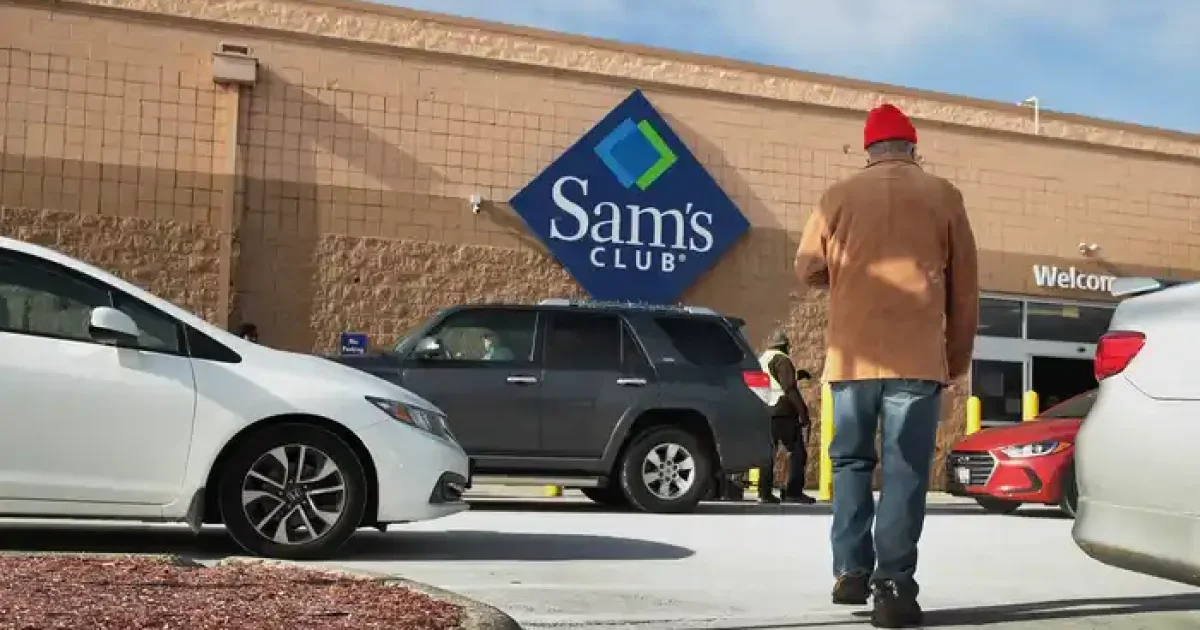
For many older adults in the United States, driving remains closely tied to independence. A car can make it easier to attend medical appointments, visit family, shop for essentials, and maintain daily routines. Because of that, car insurance and auto insurance remain important financial decisions well into retirement. Seniors often want coverage that is dependable, reasonably priced, and appropriate for how they actually drive today. At the same time, shopping for insurance later in life can feel more complicated than expected. Premiums may change after retirement, mileage may go down, and coverage priorities may shift. Search behavior also adds another layer of complexity. People may look for terms such as affordable auto insurance, Veteran Car Insurance, Sam’s Auto Insurance, or Sam’s Club Car insurance, even though those phrases do not always refer to a distinct insurance company or policy type. In many cases, they reflect a search for discounts, membership-related benefits, or specialized eligibility rather than a standalone product. This guide explains how auto insurance for seniors generally works in the U.S., what often affects premiums, how veteran- and membership-related searches should be interpreted, and what practical factors older drivers may want to review before choosing coverage. The goal is to support informed decision-making with clear, neutral information.
Why insurance remains important for older drivers
The number of older drivers in the U.S. is substantial and continues to grow. NHTSA reports that there were 59.2 million people age 65 and older in 2023, a 28% increase from 2014 to 2023. NHTSA also reports 7,810 fatal crashes involving drivers age 65 and older in 2023, accounting for 19% of all fatal traffic crashes that year. These figures help explain why insurance, driver safety, and appropriate coverage levels remain significant issues for seniors and their families. Insurance for seniors is usually not a completely separate category of policy. Instead, it is typically a standard personal auto policy priced according to individual risk factors, state rules, vehicle details, and coverage choices. The Insurance Information Institute notes that mature drivers are often among the safer drivers on the road, and many insurers offer discounts to drivers over 55 or to those who complete approved accident-prevention courses. At the same time, some drivers may see rates rise at older ages because insurers also consider claim severity and other loss-related factors. Most states require drivers to show financial responsibility, usually through an auto insurance policy that includes at least liability coverage. According to the NAIC, a standard policy may include bodily injury liability, property damage liability, collision coverage, comprehensive coverage, uninsured or underinsured motorist coverage, and medical payments or personal injury protection depending on the state. For seniors, the key issue is not simply whether they have coverage, but whether the coverage still matches current needs. A person who is no longer commuting every day may not need the same structure they had during their working years. Someone driving an older vehicle may want to revisit whether collision and comprehensive coverage remain cost-effective. A retired homeowner with savings may place more emphasis on higher liability limits than on getting the absolute lowest premium. These are practical tradeoffs rather than one-size-fits-all answers. Many consumers searching for affordable auto insurance are focused on the monthly or annual premium, which is understandable. But affordability is best evaluated in relation to coverage quality, deductibles, and financial protection. A lower quote may look attractive at first, yet it may provide less protection than the driver actually needs. The NAIC explains that insurers use many factors to determine premiums, including driving history, claims history, where the vehicle is kept, the type of vehicle, and the insurer’s own rating methods. The NAIC shopping tool also notes that common rating factors can include age, years of driving experience, marital status, and other driver characteristics, though the exact rules vary by state. For seniors, several cost-related issues often matter: Cost factor Why it matters Annual mileage Retirement may reduce commuting, which can change how an insurer prices risk Driving record A clean record often remains one of the most important pricing factors Vehicle type Repair costs, theft risk, and safety features may affect premiums Deductible level Higher deductibles can lower premiums but increase out-of-pocket costs after a claim Coverage limits Lower limits may reduce premium but can also reduce financial protection State rules Insurance laws and allowed rating factors differ across the U.S. Older drivers also sometimes qualify for discounts tied to safe driving behavior or approved defensive-driving courses. III states that many insurers offer discounts to drivers over 55 and to those who complete approved accident-prevention classes. That does not mean every company uses the same rules, but it does mean seniors often benefit from comparing multiple quotes rather than assuming all insurers will price them similarly. The phrase Veteran Car Insurance often appears in search results because many households want to know whether military service can help them access better pricing or special benefits. In practice, there is no single nationwide auto insurance program that automatically applies to all veterans. More often, veteran-related savings come through private insurers, member-focused organizations, or eligibility-based discount programs. For seniors who are veterans, the more useful questions are practical ones. Does the insurer truly recognize military affiliation with a meaningful discount? Is the policy competitively priced once coverage limits and deductibles are reviewed? Does the company have service features that matter for an older policyholder, such as clear claims communication or roadside assistance options? Those details usually matter more than the label itself. This is especially important because a veteran-related phrase in a search query does not by itself confirm the existence of a special policy category. Searches for Sam’s Club Car insurance are understandable because many consumers associate large membership retailers with savings programs and partner benefits. However, it is important to distinguish between a retailer’s own insurance offering and a third-party arrangement or auto-related member service. Sam’s Club public materials clearly identify an Auto Buying Program powered by TrueCar, and the help page states that an active Sam’s Club membership is required at the time of purchase for that program. Based on the currently visible public pages, Sam’s Club presents auto-related services and buying benefits, but those pages do not clearly present a standalone Sam’s Club-branded auto insurance policy line in the same way a conventional insurer would. That suggests that people searching for Sam’s Club Car insurance may actually be looking for a partner offer, a member benefit, or a related savings opportunity rather than a separately underwritten Sam’s Club insurance product. That is an inference from the public pages, so shoppers should verify the specific offering available at the time they compare options. This distinction matters for AFS-oriented content and for consumer clarity. A search term can be highly relevant without representing a precise product name. In practical terms, a senior researching Sam’s Club Car insurance, Sam’s Auto Insurance, or similar phrases may want to confirm four things: Who actually underwrites or administers the policy or benefit Whether an active membership is required Whether the offering is insurance, auto buying assistance, or another service Whether the expected savings are guaranteed or dependent on individual quotes and eligibility These questions help keep the research process grounded in verifiable details rather than assumptions based on branding alone. When comparing car insurance, auto insurance, affordable auto insurance, or membership-related searches such as Sam’s Club Car insurance, seniors may benefit from reviewing a few practical issues. If a vehicle is older and its market value has declined, it may be worth calculating whether collision and comprehensive coverage still make financial sense after the deductible is considered. That review does not always lead to the same answer, but it is often a useful exercise for retirees who are trying to balance premium cost and realistic vehicle value. For seniors with savings, retirement income, or owned property, liability limits may deserve close attention. Lower-cost policies can reduce the premium, but they may also provide less protection if a serious accident leads to large claims. The NAIC shopping materials emphasize that comparison shopping should involve not only price, but also the amount and type of coverage being purchased. Older drivers often drive fewer miles, but crash-related injuries can still carry significant financial and physical consequences. Depending on the state, medical payments coverage, personal injury protection, and strong liability limits may deserve review. Ease of filing a claim and communicating with the insurer can also be especially important for older policyholders. Insurance rules vary widely by state. Minimum coverage requirements, no-fault rules, and allowed rating factors are not identical across the country. That is one reason two otherwise similar seniors may receive very different quotes depending on where they live. Insurance for seniors in the U.S. is best viewed as a practical, case-by-case coverage decision rather than a single product category. Older drivers may benefit from safe-driver discounts, reduced mileage, and careful policy review, but they also need to consider liability protection, deductibles, vehicle value, and state-specific rules. Searches such as Car Insurance, auto insurance, affordable auto insurance, Veteran Car Insurance, Sam’s Auto Insurance, and Sam’s Club Car insurance often reflect different consumer goals. Some people are looking for better pricing. Others are exploring member-related savings, military-related options, or alternative ways to compare policies. In most cases, the most reliable approach is to verify who provides the coverage, compare the actual policy terms, and make sure the protection fits the driver’s present needs rather than relying on a search phrase alone. This article is for general informational purposes only. Insurance availability, pricing, discounts, eligibility, and coverage details may vary by insurer, state, vehicle, and driver profile. Consumers should review current policy documents and provider terms before making decisions. National Association of Insurance Commissioners (NAIC), consumer guidance and shopping tools for auto insurance. National Highway Traffic Safety Administration (NHTSA), older driver population and crash data. Insurance Information Institute (III), guidance on senior drivers, discounts, and insurance considerations. Sam’s Club help materials on the Auto Buying Program powered by TrueCar and membership benefits.How car insurance and auto insurance typically work
What affects affordable auto insurance for seniors
Understanding Veteran Car Insurance searches
What to know about Sam’s Club Car insurance
Practical coverage questions seniors should review
Vehicle value and physical damage coverage
Liability protection
Medical and claims-related considerations
State-specific differences
Conclusion
Disclaimer
References