HVAC Training Programs and Apprenticeships: A Practical Guide for Career Seekers
Heating, Ventilation, and Air Conditioning (HVAC) systems play a critical role in residential, commercial, and industrial buildings across the United States. As buildings become more energy-efficient and climate-controlled environments remain essential year-round, demand for trained HVAC technicians continues to grow.
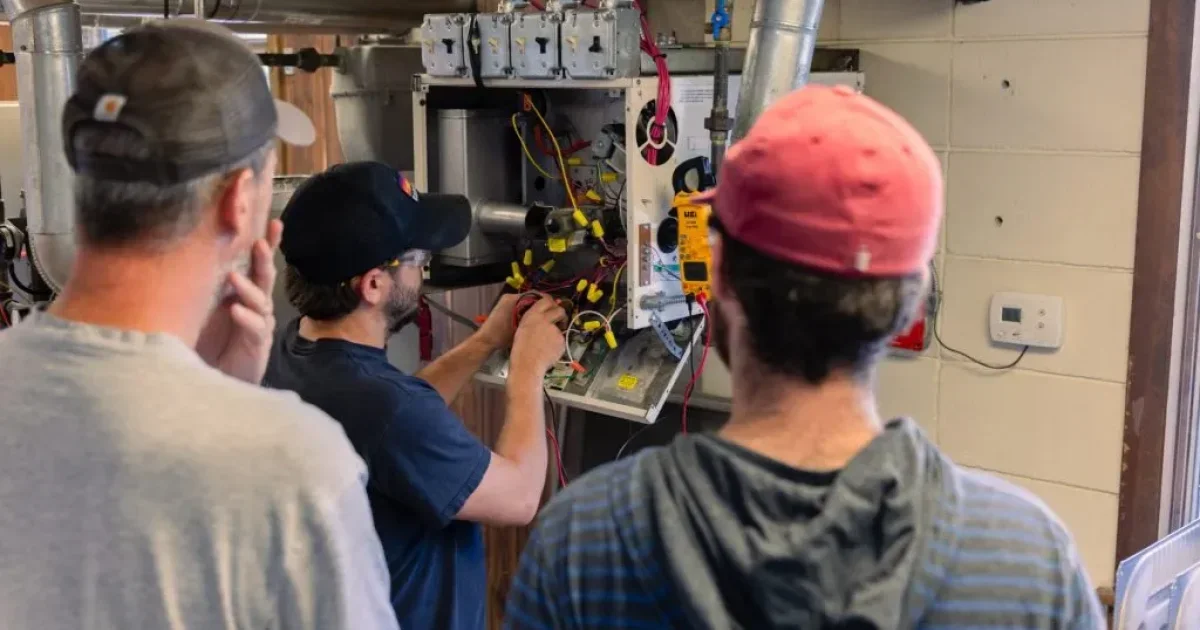
This guide provides an educational overview of HVAC training programs, paid training options, and apprenticeships, with examples from different U.S. states. It is intended to support research and comparison—not to promote specific schools or job offers.
Understanding HVAC Training Programs
HVAC training programs are designed to teach the technical knowledge and practical skills required to install, maintain, and repair heating and cooling systems. These programs vary in length, structure, and delivery method.
Common types of HVAC training programsTechnical school or trade school programs
Often completed in 6–12 months, these programs focus on foundational HVAC skills, safety standards, and system diagnostics.Community college programs
Typically offer certificates or associate degrees. These programs may include broader coursework such as electrical fundamentals and energy efficiency.Employer-sponsored or paid HVAC training
Some employers offer paid training opportunities where participants earn income while learning on the job.HVAC training programs usually combine classroom instruction with hands-on lab work to ensure students understand both theory and application.
What Is Paid HVAC Training?
Paid HVAC training refers to programs where trainees receive compensation while learning. This model appeals to individuals who prefer earning income during training rather than paying full tuition upfront.
How paid HVAC training typically works
Paid training may be offered through:
Entry-level technician roles with structured training
Union-affiliated apprenticeship programs
Employer-based learning models with mentorship
Compensation levels vary by employer, location, and experience. In many cases, wages increase as skills and responsibilities grow.
Paid HVAC training does not eliminate the need for learning or certification, but it can reduce financial barriers for those entering the trade.
HVAC Apprenticeship Programs Explained
An HVAC apprenticeship program combines paid, supervised work with formal technical instruction. Apprenticeships are often regulated at the state or union level and follow defined training standards.Key characteristics of HVAC apprenticeshipsPaid, full-time or part-time employment
Progressive wage increases
Classroom or online technical instruction
On-the-job training with experienced technicians
Apprenticeships may last between 2 and 5 years, depending on program structure and licensing requirements.
Comparing HVAC Training and Apprenticeships
Technical school or trade school programs Community college programs Employer-sponsored or paid HVAC training HVAC training programs usually combine classroom instruction with hands-on lab work to ensure students understand both theory and application. Paid HVAC training refers to programs where trainees receive compensation while learning. This model appeals to individuals who prefer earning income during training rather than paying full tuition upfront. Paid training may be offered through: Entry-level technician roles with structured training Union-affiliated apprenticeship programs Employer-based learning models with mentorship Compensation levels vary by employer, location, and experience. In many cases, wages increase as skills and responsibilities grow. Paid HVAC training does not eliminate the need for learning or certification, but it can reduce financial barriers for those entering the trade. An HVAC apprenticeship program combines paid, supervised work with formal technical instruction. Apprenticeships are often regulated at the state or union level and follow defined training standards. Paid, full-time or part-time employment Progressive wage increases Classroom or online technical instruction On-the-job training with experienced technicians Apprenticeships may last between 2 and 5 years, depending on program structure and licensing requirements.
Often completed in 6–12 months, these programs focus on foundational HVAC skills, safety standards, and system diagnostics.
Typically offer certificates or associate degrees. These programs may include broader coursework such as electrical fundamentals and energy efficiency.
Some employers offer paid training opportunities where participants earn income while learning on the job.What Is Paid HVAC Training?
How paid HVAC training typically works
HVAC Apprenticeship Programs Explained
Key characteristics of HVAC apprenticeships
Comparing HVAC Training and Apprenticeships