HVAC Training Programs & Apprenticeships That Lead to Stable Careers
Explore paid HVAC training and apprenticeship programs designed to help you gain hands-on skills, industry certifications, and long-term career opportunities across the United States.
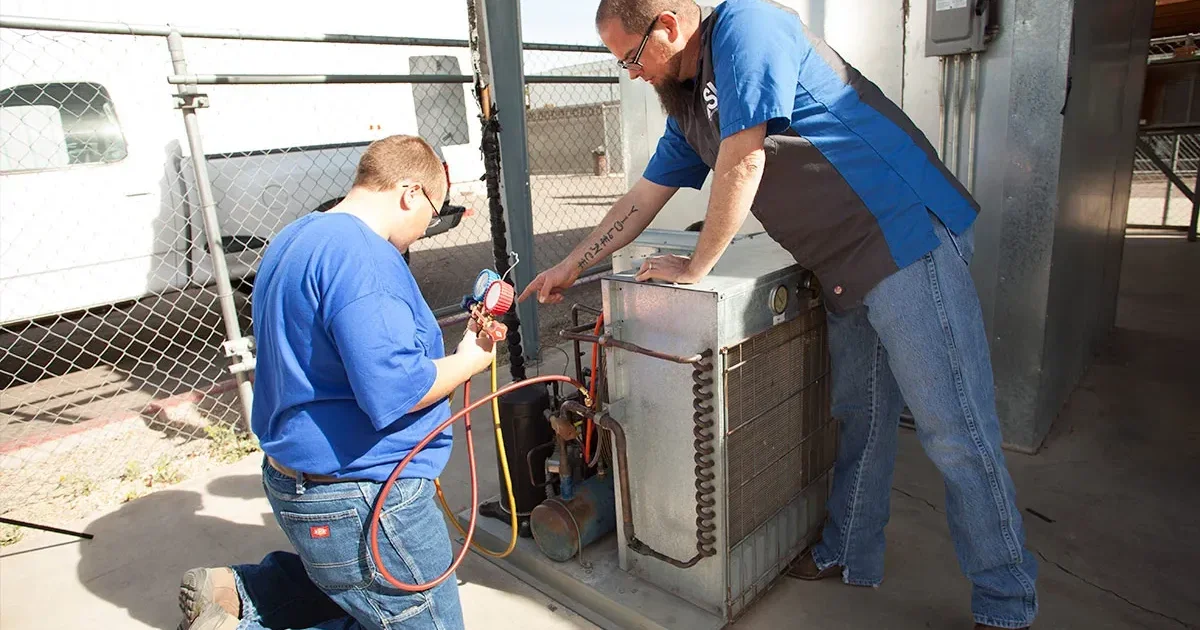
The demand for skilled HVAC professionals across the United States continues to rise as homes, businesses, and industrial facilities rely more heavily on modern climate control systems. For many job seekers, HVAC paid training and structured apprenticeship programs offer a realistic, debt-conscious path into a stable and well-paying career—without the need for a traditional four-year degree. From HVAC training programs in the Southeast to HVAC apprenticeship programs in the Midwest, opportunities exist nationwide for motivated individuals ready to learn while earning. Much of America’s residential and commercial infrastructure was built decades ago. Heating, ventilation, and air conditioning systems require constant installation, upgrades, and repair—creating steady long-term demand for trained technicians.1. Why HVAC Careers Are Growing Rapidly
1.1 Aging Buildings and Infrastructure
1.2 Energy Efficiency and New Technology
High-efficiency HVAC systems, smart thermostats, heat pumps, and eco-friendly refrigerants are now standard. These innovations increase the need for technicians trained through modern paid HVAC training pathways. As experienced technicians retire, fewer young workers are entering the trades. According to industry reports, HVAC is among the most understaffed skilled professions, pushing wages higher and accelerating employer-sponsored training initiatives. HVAC paid training refers to programs where participants earn income while learning the trade. Instead of paying tuition upfront and waiting years to earn, trainees gain hands-on experience immediately. Employer-sponsored HVAC training Union-based apprenticeships State workforce development programs Contractor-led training combined with classroom instruction These programs are especially attractive for career changers and young adults seeking faster entry into the workforce. Feature HVAC Training Programs HVAC Apprenticeship Programs Income During Training Sometimes paid Always paid Duration 6–12 months 2–5 years Hands-on Experience Moderate Extensive Credentials Certificate Journeyman eligibility Cost Structure Tuition-based or sponsored Earn while learning Both paths can lead to strong earnings, but HVAC apprenticeship programs often provide the most direct route to long-term career growth. HVAC training Georgia programs are expanding rapidly due to population growth, new construction, and year-round climate control needs. Many employers partner with technical colleges and workforce agencies to offer paid HVAC training tied directly to job placement. High demand for residential and commercial HVAC services Strong presence of employer-sponsored programs Growing metro areas like Atlanta and Savannah Graduates often move quickly into full-time technician roles with competitive wages. The HVAC apprenticeship program Michigan market is particularly robust due to its industrial base and cold-weather climate. Union-backed apprenticeships Consistent demand for heating system installation and maintenance Clear wage progression over the apprenticeship term Apprentices typically receive structured pay increases as they advance through training milestones. HVAC careers offer strong income growth over time: Experience Level Typical Annual Income Apprentice $35,000 – $45,000 Entry-Level Technician $45,000 – $55,000 Experienced Technician $65,000 – $80,000 Specialized / Commercial HVAC $85,000+ Overtime, emergency service calls, and certifications can significantly increase total compensation. Paid training often prepares technicians for industry-recognized credentials, including: EPA Section 608 Certification NATE (North American Technician Excellence) Manufacturer-specific certifications Each credential improves employability and negotiating power. While requirements vary, most programs look for: High school diploma or equivalent Reliable transportation Ability to perform physical work Willingness to learn and follow safety standards Some programs prioritize candidates from workforce transition groups, such as career changers or veterans. HVAC professionals are not limited to fieldwork forever. Common advancement paths include: Lead technician or supervisor Commercial or industrial specialist HVAC system designer or estimator Independent contractor or business owner Many successful HVAC business owners started through paid HVAC training or apprenticeship programs. The future of HVAC is closely tied to: Electrification and clean energy initiatives Smart home and building automation Climate adaptation and efficiency upgrades These trends ensure long-term job security and rising wages for trained professionals. For individuals seeking a practical, income-focused career path, HVAC paid training and HVAC apprenticeship programs provide a powerful alternative to traditional education routes. Whether you’re exploring HVAC training programs, considering HVAC training Georgia, or researching an HVAC apprenticeship program Michigan, the opportunity to earn while learning makes this field especially attractive. With steady demand, strong earning potential, and clear advancement opportunities, HVAC continues to stand out as one of the most reliable skilled trades in the U.S. economy. This article is for informational purposes only. Program availability, compensation, and requirements vary by employer, state, and training provider. Readers should verify details directly with official training institutions or apprenticeship sponsors. U.S. Department of Labor – Apprenticeship Programs Bureau of Labor Statistics – HVAC Technician Outlook Industry trade associations and workforce development resources1.3 Skilled Labor Shortages
2. What Is HVAC Paid Training?
Common Paid Training Models:
3. HVAC Training Programs vs. Apprenticeships
4. HVAC Training in Georgia: A Regional Opportunity
Why Georgia Stands Out:
5. HVAC Apprenticeship Program Michigan: Strong Union & Industrial Demand
Key Advantages:
6. Income Potential After Paid HVAC Training
7. Certifications That Increase Earning Power
8. How to Qualify for Paid HVAC Training
9. Career Progression Beyond Technician Roles
10. Long-Term Outlook for HVAC Careers
Conclusion
Disclaimer
References