HVAC Paid Training Jobs in the USA: How Training Programs, Entry Paths, and Employer-Supported Options Typically Work
Learn how HVAC training programs, paid training programs, and hvac technician training programs may work in the U.S. Review common entry paths, skills training, certification basics, and practical factors before choosing a program.
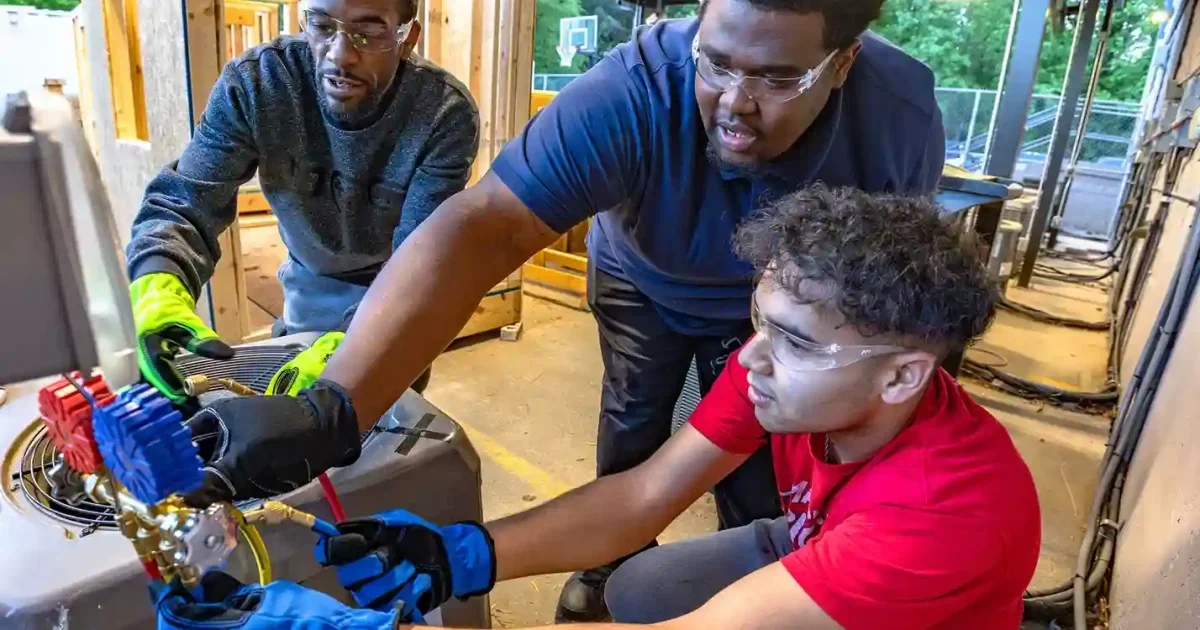
Interest in HVAC Paid Training Jobs continues to grow as more people look for career paths that combine practical skills, steady demand, and a more direct route into the workforce than a traditional four-year degree. In the United States, heating, air conditioning, and refrigeration mechanics and installers work on systems that control temperature and air quality in homes, schools, hospitals, stores, and other buildings. According to the U.S. Bureau of Labor Statistics, the occupation had about 425,200 jobs in 2024, a median annual wage of $59,810, and projected employment growth of 8% from 2024 to 2034, with about 40,100 openings per year on average. For readers searching terms such as hvac training programs, hvac technician training programs, Hvac Training, Paid Training Programs, HVAC Skills Training, and Hvac technician training, it is useful to separate three ideas that are often blended together in search behavior. First, there are school-based or certificate-based training programs. Second, there are apprenticeships that combine classroom learning with paid on-the-job work. Third, there are employer-supported entry roles where training happens after hiring. These paths can overlap, but they do not all work in the same way. This guide explains how HVAC paid training jobs typically work in the U.S., what many programs include, how to evaluate employer-sponsored options, and what to know before choosing a path.
What HVAC Paid Training Jobs Usually Mean
In practice, “paid training” in HVAC can refer to several different models. A registered apprenticeship is one of the clearest examples because it combines paid on-the-job training with classroom instruction. The U.S. Department of Labor describes apprenticeships as a model that prepares workers for highly skilled careers through paid work and related instruction, and Apprenticeship.gov is the federal search hub for apprenticeship opportunities. However, not every listing that mentions paid training is a formal apprenticeship. Some employers hire helpers, installers, maintenance trainees, or junior service technicians and then provide structured on-the-job learning after hire. The BLS notes that HVAC technicians typically need a postsecondary nondegree award, although some enter with less education, and once hired they generally have a lengthy period of on-the-job training to gain competency. That distinction matters. A paid job with training can be a good entry point, but readers should still check what the employer is actually offering. Some positions provide wages from day one and real supervised field experience. Others may offer only a short orientation period and expect candidates to arrive with most core skills already in place. For that reason, it helps to read postings closely and compare them with more structured hvac technician training programs or apprenticeship pathways. Most hvac training programs are designed to build a mix of classroom knowledge and practical ability. Across community colleges, technical schools, and workforce training providers, common topics include electrical fundamentals, refrigeration principles, cooling systems, heating systems, safety, controls, troubleshooting, refrigerant management, and customer service. Examples from current college HVAC curricula show that students often study installation procedures, startup processes, inspections, industrial safety, and system diagnostics. For many learners, the first value of formal Hvac Training is not only learning equipment basics but also becoming more employable for entry-level work. Employers often prefer candidates who already understand tools, safety practices, and basic system concepts, even when additional jobsite training will follow. Because the occupation involves electrical work, pressurized systems, and regulated refrigerants, even beginner roles usually benefit from some organized preparation. Program length varies. Some certificate routes are relatively short, while others extend across multiple terms and can stack into higher certificates or degrees. The right option depends on budget, local availability, schedule, and whether the learner wants the quickest route to entry-level work or a broader academic foundation. One of the most important regulatory points in HVAC is refrigerant handling. The U.S. Environmental Protection Agency states that technicians who maintain, service, repair, or dispose of equipment that could release refrigerants into the atmosphere must be certified under Section 608 of the Clean Air Act. This is a central requirement for many HVAC service roles in the U.S. Because of that rule, readers comparing hvac technician training programs should look closely at whether a program prepares students for EPA Section 608 certification or includes refrigerant-related instruction. A training path that does not address this area may still teach useful fundamentals, but it may leave an important employment requirement unfinished for many common HVAC duties. Beyond EPA rules, licensing and certification requirements can vary by state, employer, and specialty. The BLS notes that workers may need a license or certification depending on the role and location, which means local research remains important before choosing a program or accepting a training job offer.How HVAC Training Programs Are Commonly Structured
Certifications and Regulatory Basics
Apprenticeships and Employer-Sponsored Paid Training Programs
HVAC Excellence / ESCO Group overview of HVAC education quality and certifications.