HVAC Training Programs: A Practical Guide to Paid Options, Fast-Track Paths, and Finding Programs
Learn what to look for in hvac courses near me, how ac technician training in my area typically works, and how to evaluate nearby employers like hvac installation companies near me for entry-level opportunities and structured learning.
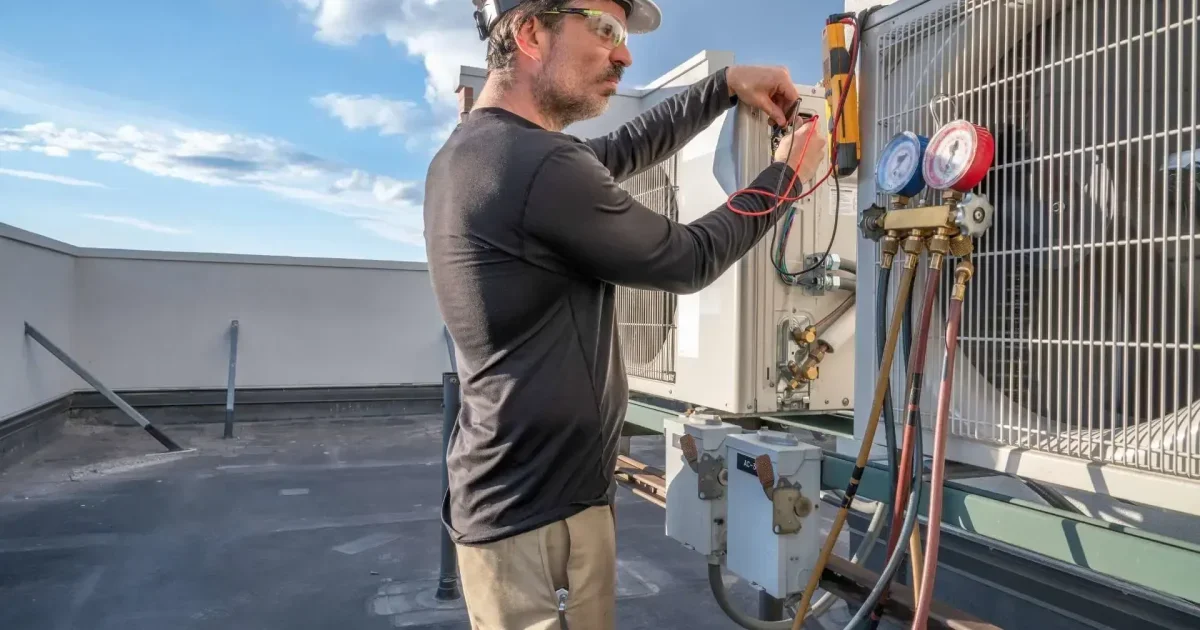
HVAC (heating, ventilation, and air conditioning) is one of those “always needed” trades—homes, apartments, hospitals, data centers, and office buildings all rely on climate control. If you’re researching HVAC training programs because you want a stable, hands-on career, the big question is usually: How do I train quickly, affordably, and in a way that actually leads to real work experience? In the U.S., heating, air conditioning, and refrigeration mechanics and installers earned a median annual wage of $59,810 (May 2024), and the field is projected to grow 8% from 2024–2034, with about 40,100 openings per year on average. That demand is why many people search for paid hvac training programs or “hvac training programs near me”—they want a path that builds skills without putting life on hold. When people search paid hvac training programs, they’re usually referring to one (or a mix) of these: Registered Apprenticeships (earn while you learn) Employer-sponsored training School programs with paid work components Reality check: “Paid training” does not automatically mean a short course is free. It usually means your training is tied to a job (apprenticeship/employer route) or partially offset by working while learning. If you plan to service, maintain, repair, or dispose of equipment that could release refrigerants, EPA Section 608 certification is required. The EPA states technicians must pass an EPA-approved test administered by an EPA-approved certifying organization, and Section 608 credentials do not expire. This is why many “AC technician” and HVAC entry pathways emphasize 608 early—especially if your target job involves residential A/C, heat pumps, or refrigeration.Body
1) What “paid HVAC training programs” usually means
Apprenticeships are structured programs where you’re employed and paid while you gain supervised on-the-job training, often paired with classroom instruction. The U.S. Department of Labor points people to Apprenticeship.gov as the central hub for registered programs.
Some HVAC contractors hire entry-level helpers/maintenance techs and train internally (sometimes with vendor platforms). Pay and structure vary widely, so you’ll want to confirm what’s paid work vs. unpaid “trial” time.
Certain technical schools/community colleges help students land internships or entry-level roles while training (availability varies by area).2) The must-know credential: EPA Section 608
3) How long HVAC training takes (and what “2 week HVAC training” can realistically do)
There isn’t one standard timeline. Programs vary from short certificates to multi-year apprenticeships. Here’s a practical comparison you can use while searching hvac courses near me or hvac technician training programs. Pathway Typical time Typical cost range* Paid while training? Best for Registered apprenticeship Often multi-year Often low out-of-pocket fees ✅ Yes People who want income + structured skill growth Certificate program ~6–12 months ~$1,500–$15,000 Sometimes Fast entry with hands-on labs Diploma program ~9–15 months ~$1,500–$15,000 Sometimes Broader fundamentals + employability Associate degree ~2 years ~$15,000–$35,000 Sometimes Deeper technical base + long-term advancement “2 week HVAC training” / bootcamp ~2 weeks Varies by provider Usually no A jumpstart (often basics + exam prep), not full mastery *Example ranges are commonly cited in consumer career timeline summaries; always verify pricing locally and ask what’s included (tools, exam fees, lab time, etc.). So what can a “2 week hvac training” program do well? Safety basics, tool familiarity, introductory electrical concepts Refrigerant handling fundamentals + EPA 608 prep (depending on the provider) Helping you decide if the trade fits before committing to a longer program But two weeks is rarely enough to make someone fully job-ready alone—HVAC is hands-on, troubleshooting-heavy work. Treat fast-track training as a launch pad, ideally paired with a helper job, apprenticeship, or longer lab-based program. (Examples exist: some providers advertise two-week formats, and some community college pathways include intensive hands-on practicums as part of a broader short-term track. ) If you’re searching hvac training programs near me or hvac training programs in my area, use a simple filter approach:Table: Common HVAC training paths (typical time, cost, and outcome)
A two-week option can be useful for:4) How to find “HVAC training programs near me” (without getting overwhelmed)
Step A: Start with trusted directories