Credit Cards in Canada: A Complete Guide for First-Time Applicants and Individuals With Limited Credit History
Applying for a credit card in Canada can feel overwhelming, especially if you have little to no credit history. Many Canadians—students, newcomers, young adults, and individuals rebuilding their financial profile—often search for accessible credit tools that help them start responsibly. This guide explains how credit cards work, how to choose one that fits your needs, and what options exist if you have limited or no credit history.
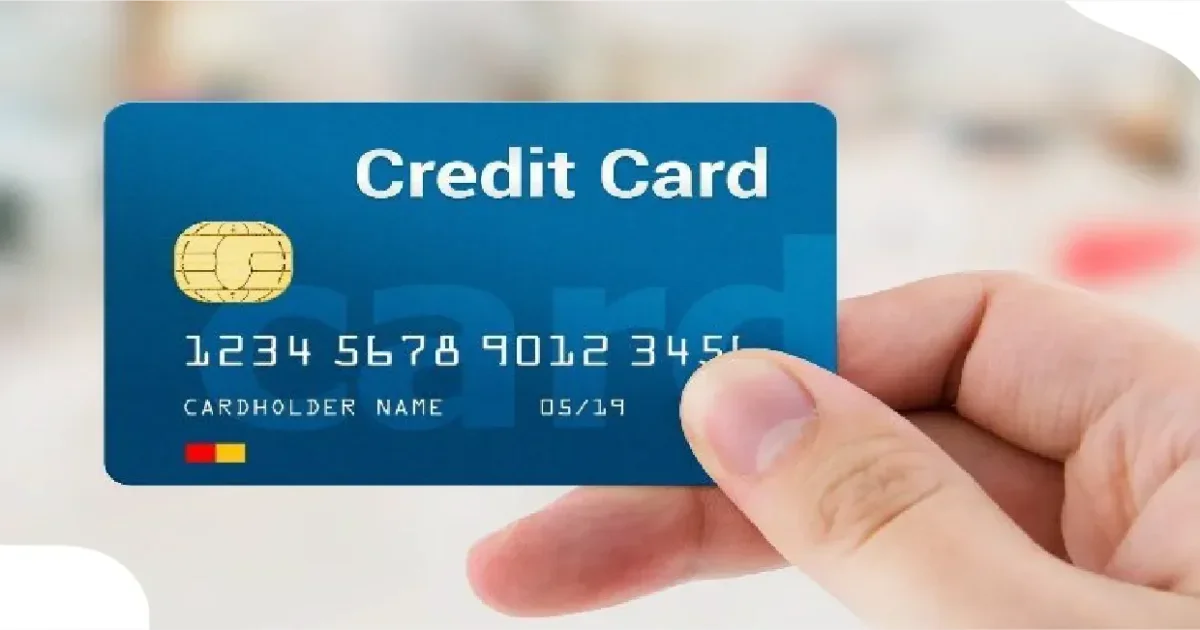
Understanding Credit Cards in CanadaA credit card is a revolving credit tool issued by a bank or financial institution. It allows you to borrow funds up to a pre-approved limit and repay them later. Responsible usage—such as paying on time—helps build your credit score, one of the key factors used by lenders for approvals on loans, rentals, mortgages, and other financial products.
Why Credit History MattersIn Canada, lenders use data from credit bureaus such as Equifax and TransUnion to assess creditworthiness. Your credit score is typically shaped by:Payment history (35%)
Credit utilization (30%)
Credit history length (15%)
New credit inquiries (10%)
Credit mix (10%)
Having no credit history is different from having bad credit—but both can limit your access to traditional credit cards.Types of Credit Cards Available in CanadaBelow are the most common categories that applicants with limited credit may explore.
a. Secured Credit CardsThese require a refundable security deposit, usually between CAD $200 and $1,000. The deposit becomes your credit limit. Secured cards are the most accessible option for first-time applicants.
Examples of Canadian secured card providers:Home Trust Secured Visa
Capital One Guaranteed Mastercard
Neo Secured Credit
b. Student Credit CardsDesigned for post-secondary students, these cards typically have no annual fee and lower credit thresholds.
Common features include:
No minimum income requirement
Cashback on groceries, transit, or streaming
Credit-building reporting to bureaus
c. Newcomer Credit CardsBanks in Canada offer newcomer programs with relaxed requirements since many new residents arrive with no Canadian credit history.
Banks with newcomer card programs:
RBC
Scotiabank
BMO
TD Canada Trust
d. Retail & Store Credit CardsThese provide easier approval but often have higher interest rates. They may be suitable only if used carefully and paid in full monthly.
e. Prepaid Cards (Not Credit-Building)Prepaid cards do not build credit history but offer budgeting convenience. They are not substitutes for traditional credit cards if your goal is to establish credit.Can You Get Credit Cards With No Credit Check in Canada?Some Canadians search for no credit check credit cards when they are:Just starting their credit journey
Rebuilding after past credit challenges
Looking for easier approval options
What to ExpectCredit cards marketed as no credit check options typically fall into two categories:Secured credit cardsPrepaid or hybrid cards (non-credit-building)Responsible financial institutions always disclose terms and eligibility clearly. Instant approval claims depend on issuer requirements and cannot guarantee approval without a proper application.
First-Time Credit Card Options (No Credit History)If you are applying for your first credit card in Canada, the following features are often available:
No annual fee
Lower credit limits
Simple rewards programs
Credit-building reporting
Eligibility without prior credit history
Consider these common first-time credit card types:Student credit cards
Newcomer cards
Secured cards
Entry-level no-fee cards
Business Credit Cards for Applicants With Limited CreditSome business owners look for cards that avoid personal credit checks. In Canada, business credit cards typically require either:
Good personal credit
Business credit history
Or a secured deposit
Cards advertised as “no personal credit check” often function through security deposits or financial statements instead of traditional bureau checks.Small business owners may also explore fuel cards or expense-specific cards, but these still require verification for compliance and financial responsibility.Key Factors to Compare When Choosing a Credit CardCanadians should evaluate the following elements when comparing credit cards:
a. Annual Percentage Rate (APR)Typical credit card interest rates range between 19.99% – 24.99% in Canada.b. Annual FeesMany starter cards offer $0 annual fees, with premium cards ranging from $120 – $699 annually.c. RewardsRewards can include:
Cashback
Points
Travel miles
Retail discounts
d. Credit LimitStarter cards typically provide limits between $300 – $1,500 depending on income and issuer policies.e. Reporting to Credit BureausEssential for building or repairing credit.
f. Additional FeaturesExamples:
Purchase protection
Extended warranty
Fraud protection
Access to budgeting tools
Comparison Table: Common Features of Credit Cards for Limited Credit HistoriesBelow is a simplified comparison table to help navigate major starter card categories.
Card TypeRequires Credit Check?Typical Deposit / LimitBest ForKey BenefitsSecured Credit Cards
Often Yes (Soft Check)
Deposit: $200–$1,000
Newcomers, rebuilding credit
Builds credit, accessible, refundable deposit
Student Credit Cards
Often No prior credit
Limit: $500–$1,000
Students, first-time applicants
No annual fee, rewards, easy approval
Newcomer Credit Cards
No Canadian history needed
Limit varies
Recent immigrants
Bank packages, rewards, global banking support
Retail Store Credit Cards
Credit check
$500–$2,000
Shoppers with loyalty programs
Store rewards, promotions
Prepaid Cards
No credit check
Reloadable
Budget control, non-credit users
No interest, simple budgeting
How to Build Credit Safely and EffectivelyBuilding credit responsibly is more important than finding a card with quick approval. Here are evidence-based strategies:
a. Pay on TimePayment history is the biggest factor in your score (35%).
b. Keep Utilization LowExperts recommend using no more than 30% of your credit limit.c. Keep Cards OpenLength of credit history improves score stability over time.
d. Avoid Frequent ApplicationsMultiple hard inquiries may temporarily lower your score.
e. Review Your Credit ReportYou can request free credit reports annually from Equifax or TransUnion.
Common Questions from Canadian ApplicantsDo no-credit-check credit cards guarantee approval?No. Approval depends on issuer requirements and verified information.
Can newcomers or students get a credit card without income?Some issuers offer options that do not require extensive income verification.
Do prepaid cards build credit?No, prepaid cards are not credit products and do not affect your credit score.
How long does it take to build credit?Consistent responsible use can show improvements within 3–6 months.ConclusionFor Canadians with limited or no credit history, gaining access to a suitable credit card is entirely possible. Whether you choose a secured card, newcomer product, or student card, the most important goal is to build credit responsibly and select a financial product that aligns with your circumstances. Comparing features such as fees, interest rates, deposit requirements, rewards, and reporting policies helps ensure you choose the right card for long-term financial stability.
This guide provides a clear and practical overview that reflects real search intent and ensures compliance with information standards and transparency requirements. Always review terms directly from official issuers before applying.
DisclaimerThis article is for informational purposes only. It does not provide financial, legal, or professional advice. Credit card availability, terms, interest rates, deposits, and eligibility requirements may vary by financial institution and location. Always verify current details directly through official bank or issuer websites before making financial decisions.
ReferencesGovernment of Canada – Financial Consumer Agency of Canada (FCAC)
Equifax Canada – Credit Score Factors
TransUnion Canada – Credit Education Resources
Major Canadian Financial Institutions (RBC, TD, BMO, CIBC, Scotiabank)
Publicly available credit product information from issuer websites
Payment history (35%)
Credit utilization (30%)
Credit history length (15%)
New credit inquiries (10%)
Credit mix (10%)
Having no credit history is different from having bad credit—but both can limit your access to traditional credit cards.
Types of Credit Cards Available in Canada
Below are the most common categories that applicants with limited credit may explore.
a. Secured Credit Cards
These require a refundable security deposit, usually between CAD $200 and $1,000. The deposit becomes your credit limit. Secured cards are the most accessible option for first-time applicants.
Examples of Canadian secured card providers:
Home Trust Secured Visa
Capital One Guaranteed Mastercard
Neo Secured Credit
b. Student Credit Cards
Designed for post-secondary students, these cards typically have no annual fee and lower credit thresholds.
Common features include:
No minimum income requirement
Cashback on groceries, transit, or streaming
Credit-building reporting to bureaus
c. Newcomer Credit Cards
Banks in Canada offer newcomer programs with relaxed requirements since many new residents arrive with no Canadian credit history.
Banks with newcomer card programs:
RBC
Scotiabank
BMO
TD Canada Trust
d. Retail & Store Credit Cards
These provide easier approval but often have higher interest rates. They may be suitable only if used carefully and paid in full monthly.
e. Prepaid Cards (Not Credit-Building)
Prepaid cards do not build credit history but offer budgeting convenience. They are not substitutes for traditional credit cards if your goal is to establish credit.
Can You Get Credit Cards With No Credit Check in Canada?
Some Canadians search for no credit check credit cards when they are:
Just starting their credit journey
Rebuilding after past credit challenges
Looking for easier approval options
What to Expect
Credit cards marketed as no credit check options typically fall into two categories:
Secured credit cards
Prepaid or hybrid cards (non-credit-building)
Responsible financial institutions always disclose terms and eligibility clearly. Instant approval claims depend on issuer requirements and cannot guarantee approval without a proper application.
First-Time Credit Card Options (No Credit History)
If you are applying for your first credit card in Canada, the following features are often available:
No annual fee
Lower credit limits
Simple rewards programs
Credit-building reporting
Eligibility without prior credit history
Consider these common first-time credit card types:
Student credit cards
Newcomer cards
Secured cards
Entry-level no-fee cards
Business Credit Cards for Applicants With Limited Credit
Some business owners look for cards that avoid personal credit checks. In Canada, business credit cards typically require either:
Good personal credit
Business credit history
Or a secured deposit
Cards advertised as “no personal credit check” often function through security deposits or financial statements instead of traditional bureau checks.
Small business owners may also explore fuel cards or expense-specific cards, but these still require verification for compliance and financial responsibility.
Key Factors to Compare When Choosing a Credit Card
Canadians should evaluate the following elements when comparing credit cards:
a. Annual Percentage Rate (APR)
Typical credit card interest rates range between 19.99% – 24.99% in Canada.
b. Annual Fees
Many starter cards offer $0 annual fees, with premium cards ranging from $120 – $699 annually.
c. Rewards
Rewards can include:
Cashback
Points
Travel miles
Retail discounts
d. Credit Limit
Starter cards typically provide limits between $300 – $1,500 depending on income and issuer policies.
e. Reporting to Credit Bureaus
Essential for building or repairing credit.
f. Additional Features
Examples:
Purchase protection
Extended warranty
Fraud protection
Access to budgeting tools
Comparison Table: Common Features of Credit Cards for Limited Credit Histories
Below is a simplified comparison table to help navigate major starter card categories.
Card Type
Requires Credit Check?
Typical Deposit / Limit
Best For
Key Benefits
Secured Credit Cards
Often Yes (Soft Check)
Deposit: $200–$1,000
Newcomers, rebuilding credit
Builds credit, accessible, refundable deposit
Student Credit Cards
Often No prior credit
Limit: $500–$1,000
Students, first-time applicants
No annual fee, rewards, easy approval
Newcomer Credit Cards
No Canadian history needed
Limit varies
Recent immigrants
Bank packages, rewards, global banking support
Retail Store Credit Cards
Credit check
$500–$2,000
Shoppers with loyalty programs
Store rewards, promotions
Prepaid Cards
No credit check
Reloadable
Budget control, non-credit users
No interest, simple budgeting
How to Build Credit Safely and Effectively
Building credit responsibly is more important than finding a card with quick approval. Here are evidence-based strategies:
a. Pay on Time
Payment history is the biggest factor in your score (35%).
b. Keep Utilization Low
Experts recommend using no more than 30% of your credit limit.
c. Keep Cards Open
Length of credit history improves score stability over time.
d. Avoid Frequent Applications
Multiple hard inquiries may temporarily lower your score.
e. Review Your Credit Report
You can request free credit reports annually from Equifax or TransUnion.
Common Questions from Canadian Applicants
Do no-credit-check credit cards guarantee approval?
No. Approval depends on issuer requirements and verified information.
Can newcomers or students get a credit card without income?
Some issuers offer options that do not require extensive income verification.
Do prepaid cards build credit?
No, prepaid cards are not credit products and do not affect your credit score.
How long does it take to build credit?
Consistent responsible use can show improvements within 3–6 months.
Conclusion
For Canadians with limited or no credit history, gaining access to a suitable credit card is entirely possible. Whether you choose a secured card, newcomer product, or student card, the most important goal is to build credit responsibly and select a financial product that aligns with your circumstances. Comparing features such as fees, interest rates, deposit requirements, rewards, and reporting policies helps ensure you choose the right card for long-term financial stability.
This guide provides a clear and practical overview that reflects real search intent and ensures compliance with information standards and transparency requirements. Always review terms directly from official issuers before applying.
Disclaimer
This article is for informational purposes only. It does not provide financial, legal, or professional advice. Credit card availability, terms, interest rates, deposits, and eligibility requirements may vary by financial institution and location. Always verify current details directly through official bank or issuer websites before making financial decisions.
References
Government of Canada – Financial Consumer Agency of Canada (FCAC)
Equifax Canada – Credit Score Factors
TransUnion Canada – Credit Education Resources
Major Canadian Financial Institutions (RBC, TD, BMO, CIBC, Scotiabank)
Publicly available credit product information from issuer websites