Car Insurance for Seniors in the U.S.: A Practical Guide to Quotes, Costs, and Coverage Options
Explore updated car insurance options for seniors in 2026. Learn how to compare auto insurance quotes, review full coverage choices, and find cheap car insurance or cheap auto insurance online based on your age group and driving needs.
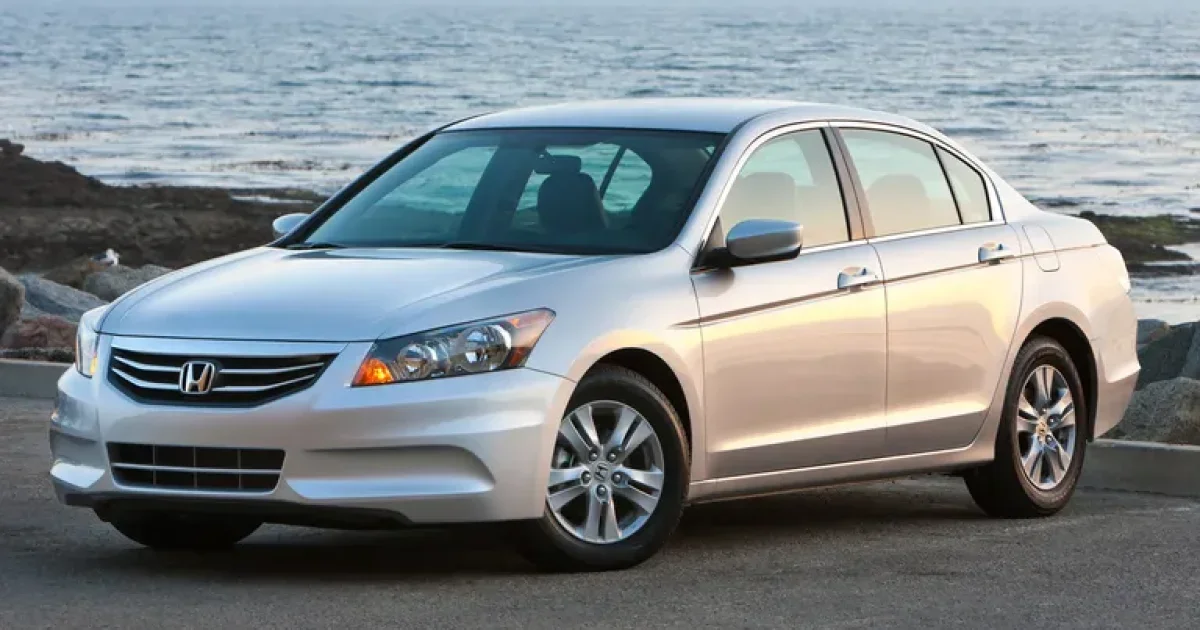
For many older adults, car insurance is not just about meeting a legal requirement. It is also about protecting savings, keeping a reliable vehicle on the road, and choosing coverage that still fits changing driving habits. That is why many households search for terms like auto insurance quote, cheap car insurance, full coverage car insurance, cheap auto insurance online, and even very cheap car insurance no deposit when reviewing options. This topic matters to a large and growing part of the country. The Federal Highway Administration reported 237.7 million licensed drivers in 2023, including about 17.8 million drivers ages 65 to 69, 14.3 million ages 70 to 74, 10.3 million ages 75 to 79, and more than 10.4 million age 80 and older when combining the 80–84 and 85+ groups. NHTSA also reports that the U.S. had 59.2 million people age 65 and older in 2023, up 28% from 2014, and that 7,810 fatal crashes involving drivers 65 and older occurred in 2023. In other words, seniors remain a major driving population, and insurers continue adjusting products around mileage, vehicle safety, telematics, and claim costs. This guide explains what seniors should know in 2026, how common coverage types work, and how different age groups may think about pricing, flexibility, roadside help, and quote shopping.
What “car insurance for seniors” usually means in practice
There is no single national policy called “senior car insurance.” In practice, the phrase usually refers to auto policies designed or priced around factors that often matter more later in life: lower annual mileage, a stronger focus on claims service, roadside assistance, deductible choices, and the question of whether full coverage car insurance is still worth the cost for an older vehicle. The National Association of Insurance Commissioners explains that auto insurance generally centers on two broad areas: liability and property damage. Liability coverage helps pay for injuries or property damage you cause to others. Property damage coverage can include collision and comprehensive insurance. NAIC also notes that if you have an auto loan, lenders often require both collision and comprehensive coverage, which is what many consumers informally call full coverage car insurance. For seniors, the real question is usually not “Do I need insurance?” but “Which parts of the policy still match how I drive now?” Many drivers looking for cheap car insurance are reacting to a broader cost trend, not only to their own record. According to the NAIC’s 2023 Auto Insurance Database, the countrywide average auto insurance expenditure was $1,281 in 2023, up 13.98% from the prior year. The same report says the countrywide combined average premium for policies containing liability, collision, and comprehensive coverage rose to $1,438 in 2023. Recent inflation data also helps explain why consumers still feel pressure. The Bureau of Labor Statistics said motor vehicle insurance prices rose 2.8% in 2025, which was the smallest December-to-December increase in five years, and reported that the motor vehicle insurance index was down slightly in the first two months of 2026. That does not mean every household will see lower premiums, but it does suggest that the pace of increases may be softer than in the sharp run-up many drivers felt earlier. So when seniors compare an auto insurance quote in April 2026 with what they paid a few years ago, part of the difference may come from wider market conditions such as repair costs, medical costs, weather losses, and insurer claim trends, not only from age. The images attached to this project emphasize several ideas: new information for seniors, pay-per-mile options, roadside assistance, and flexible plans for different drivers. Those themes match how the market has been evolving. NAIC explains that usage-based insurance uses data such as miles driven, speed, time of day, and related behavior to help determine premiums. It also notes that telematics and mileage-based models are becoming more visible in auto insurance. For seniors who drive less than they used to, this can be one of the more practical areas to review. Roadside assistance can also matter more for older drivers who value convenience and support during a breakdown, flat tire, dead battery, or lockout. It is not always built into the core auto policy, so seniors should check whether it is included, optional, or duplicated through another source such as a vehicle warranty, club membership, or credit card benefit. Flexible plans matter because older households are not one group. Some people still commute daily in their late 50s or early 60s. Others drive only for errands, medical visits, church, family, or daytime trips. That difference can affect whether a higher deductible, a mileage-based program, or a stripped-down liability-focused policy makes sense. The groups shown in the images can be used as a practical planning framework: Senior age band What many drivers in this group may review first Coverage questions to ask 50–59 Shopping around before retirement years; comparing a new auto insurance quote Is my premium aligned with my record, vehicle, and mileage? 60–64 Transition years for work changes or reduced commuting Would a mileage-based option lower costs? 65–69 Reviewing deductibles, accident forgiveness, and roadside help Do I still want broad physical damage coverage? 70–74 Focusing on comfort, claims service, and easier policy management Is roadside assistance worth adding? 75–79 Rechecking license renewal rules and family driving patterns Are my coverages still matched to how often I drive? 80+ Balancing independence, safety, and vehicle value Would liability-only or adjusted deductibles make more sense? These age bands are also reflected in federal licensing data. In 2023, FHWA counted about 19.1 million drivers ages 50–54, 19.1 million ages 55–59, 19.8 million ages 60–64, 17.8 million ages 65–69, 14.3 million ages 70–74, and 10.3 million ages 75–79. Even beyond 80, millions of Americans remain licensed drivers. Many older drivers keep full coverage car insurance long after the vehicle’s value has fallen. That can still be reasonable, but it should be a deliberate choice. NAIC explains that collision pays for damage from hitting another car or object, while comprehensive covers non-collision losses such as theft, hail, fire, flood, or animal strikes. These coverages often have deductibles, and higher deductibles usually lower premiums. A practical way to think about it is this: if your vehicle is newer, financed, or expensive to replace, broader protection may still make sense. If your vehicle is older and the premium for collision and comprehensive is high compared with the car’s remaining value, then a more limited policy may be worth reviewing. Seniors should also remember that “full coverage” is a consumer phrase, not a guarantee that every possible loss is covered. Yes, but “cheap” should be handled carefully. A low premium can come from several different things: a higher deductible, lower liability limits, dropping collision or comprehensive, enrolling in telematics, driving fewer miles, or insuring an older car. That is why cheap auto insurance online can be useful for comparison shopping, but the lowest quote is not automatically the best fit. NAIC’s consumer guidance explains that prices are affected by underwriting and rating, and the 2023 NAIC database notes that many factors influence price, including coverages purchased, deductibles, driving locations, accident rates, weather, medical and legal costs, theft rates, and repair costs. A senior who wants cheap car insurance without giving up too much protection should usually compare: liability limits collision and comprehensive deductibles annual mileage roadside assistance cost rental reimbursement uninsured/underinsured motorist coverage claims and service reputation This search phrase is common, but seniors should read it carefully. In real-world shopping, “no deposit” language may not always mean zero money due to start coverage. Some plans may still require a first payment, an installment setup, or fees depending on the insurer and state. The safer approach is to review the payment schedule, effective date, cancellation terms, and total six-month or annual cost before making a decision. For older adults on a fixed income, the better question is often not whether a plan sounds like very cheap car insurance no deposit, but whether the monthly payment, deductible, and liability limits are realistic if a claim happens. Seniors also benefit from looking beyond the premium itself. NHTSA encourages older drivers to consider vehicle fit, safety features, driving habits, and medical conditions that may affect driving. NHTSA’s vehicle ratings tools can also help consumers compare safety performance when selecting a newer car. Another point that matters for older Americans is Medicare coordination. CMS explains that Medicare generally does not pay to the extent payment is expected from liability or no-fault insurance, and conditional payments may need to be repaid when another insurer is responsible. That is one more reason seniors should not treat auto coverage decisions lightly, especially when thinking about medical payments, PIP, or liability protections. For seniors, car insurance in 2026 is less about age alone and more about matching a policy to present-day driving reality. A driver in the 50–59 range may still want robust protection for daily use. Someone in the 60–64 or 65–69 group may focus on mileage changes and broader coverage value. Drivers in the 70–74, 75–79, and 80+ groups may pay closer attention to roadside support, deductible choices, vehicle value, and how often they now drive. That is why search terms such as auto insurance quote, cheap auto insurance online, cheap car insurance, and full coverage car insurance can all be relevant for seniors, as long as the final choice is based on coverage details rather than headline price alone. And when shoppers see offers framed as very cheap car insurance no deposit, it is wise to slow down and check exactly what the first payment and policy terms really require. A good senior policy is usually one that is easy to understand, fairly priced for current driving habits, and strong enough to protect both the driver and the household budget. This article is for general informational purposes only and does not provide legal, financial, insurance, or tax advice. Auto insurance rules, coverage availability, premiums, payment options, and age-related licensing requirements vary by insurer and by state. Readers should review policy documents carefully and confirm details directly with insurers, agents, state insurance departments, or other qualified professionals before making coverage decisions. Federal Highway Administration, Highway Statistics 2023, Table DL-20. National Highway Traffic Safety Administration, Older Drivers. National Association of Insurance Commissioners, Auto Insurance. National Association of Insurance Commissioners, What You Should Know About Auto Insurance Coverage. National Association of Insurance Commissioners, Consumer Auto Insurance Guidance / Usage-Based Insurance. National Association of Insurance Commissioners, 2023 Auto Insurance Database Average Premium Supplement. U.S. Bureau of Labor Statistics, Consumer Price Index: 2025 in Review and Consumer Price Index Summary, February 2026. Centers for Medicare & Medicaid Services, Medicare’s Recovery Process.Why prices still feel high in 2026
Common features seniors often care about
Age-group guide for senior drivers
What seniors should know about “full coverage”
Can seniors still find cheap options online?
A note on “very cheap car insurance no deposit”
Safety, vehicle choice, and medical coordination
Conclusion
Disclaimer
References