Best Travel Insurance for Seniors Over 70: A 2026 Guide for Travellers
Travel insurance for seniors over 70 is often more detailed than a standard holiday policy. Age, destination, trip length, medical history, medication, planned activities, and cancellation risks can all affect the type of cover available and the price quoted.
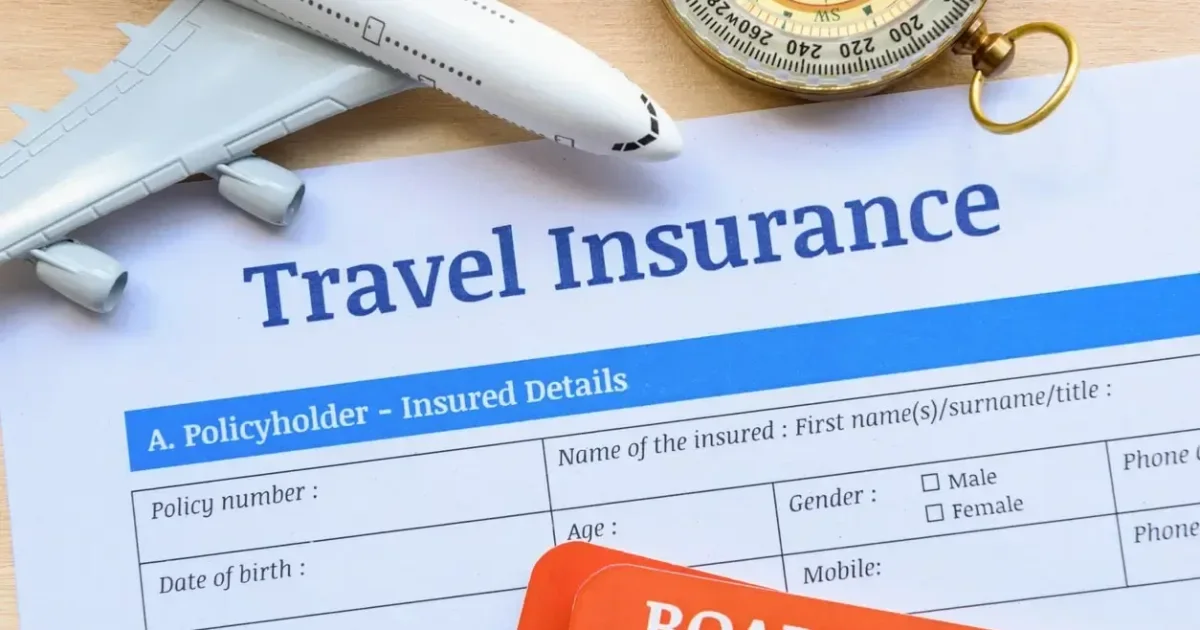
For travellers in the UK and Australia, the topic becomes especially important when comparing senior travel insurance with pre-existing condition cover, because medical exclusions can significantly affect whether a policy is useful in practice. Many people search for terms such as travel insurance for seniors with pre existing conditions, travel insurance for over 70’s with pre existing medical conditions, best insurance for over 70s, or travel insurance for seniors over 80. These searches usually reflect the same core question: how can an older traveller find a policy that is suitable, fairly priced, and clear about medical cover? There is no single “best” travel insurance policy for every senior traveller. A policy that suits a 72-year-old visiting Europe for one week may not suit an 82-year-old travelling to the United States with a heart condition. The purpose of this guide is to explain how senior travel insurance typically works in the UK and Australia, what affects 2026 travel insurance quotes, and what readers should review before making a decision.
Why Travel Insurance Can Be Different After Age 70
Travel insurance is priced around risk. For older travellers, insurers usually look more closely at health, destination, and the possibility of medical treatment abroad. This does not mean cover is unavailable, but it can mean there are fewer standard policies, higher premiums, or more detailed medical screening.
In the UK, MoneyHelper notes that travel insurance when older can be expensive, but spending time researching policies may help consumers find suitable cover. It also points older travellers toward specialist providers or brokers when standard options are limited. MoneyHelper In Australia, MoneySmart explains that travel insurance can cover areas such as medical costs, cancellation, delays, baggage, and car hire, but the level of cover may vary depending on pre-existing medical conditions. It also advises travellers to read the Product Disclosure Statement carefully. MoneySmart For seniors over 70 or over 80, the main issue is not only the premium. It is whether the policy properly covers the real risks of the trip. A pre-existing medical condition is usually a health condition that existed before the policy was purchased. This may include diagnosed illnesses, symptoms under investigation, previous surgery, regular medication, heart conditions, respiratory conditions, diabetes, cancer history, mental health conditions, or conditions that required recent treatment. Different insurers define pre-existing conditions differently. Some look at conditions treated within the last two years. Others may ask about a longer medical history for certain illnesses. MoneyHelper explains that insurers usually want details about the condition, medication, treatment, hospital visits, and whether the condition is stable. MoneyHelper For travel insurance for seniors with pre existing medical conditions, disclosure is one of the most important steps. If a traveller does not declare a relevant condition, the insurer may later refuse a claim linked to that condition. In some cases, the policy may not respond as expected. Australian travel guidance from Smartraveller also states that age and health can affect the cost and type of policy needed, and that travellers should tell insurers about pre-existing health conditions. Smartraveller When applying for travel insurance for seniors with pre existing medical conditions, the insurer may ask medical screening questions. These may include:Understanding Pre-Existing Medical Conditions
How Medical Screening Usually Works