A Practical Guide to Starlink Internet: How It Works, What to Know, and How to Evaluate Your Options
Many U.S. households compare cable bundles, fiber, and satellite options like Starlink when searching for reliable home internet. Starlink offers internet access in areas where wired service may be limited, though TV service may need to be added separately.
1. Understanding the Basics
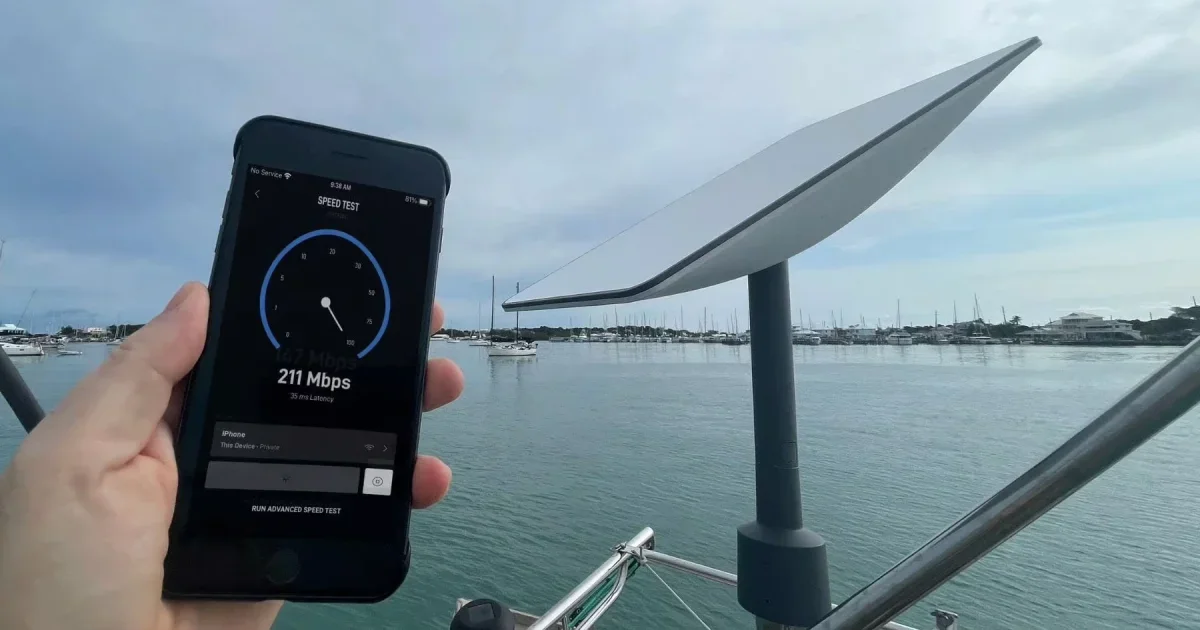
Starlink is a satellite internet service operated by SpaceX. Unlike cable or fiber internet, which rely on physical wired infrastructure running to a home, Starlink uses a low-Earth-orbit satellite network and a user terminal installed at the customer location. Starlink’s own materials describe the service as two-way satellite-based internet delivered through a user terminal, Wi-Fi router, power supply, and mount. The standard kit includes the Starlink unit, power supply, cables, base, and Wi-Fi router.
That structure matters because Starlink is fundamentally an internet service, not a traditional cable television service. In practical terms, households comparing Cable Tv and Internet plans with Starlink are usually deciding between two different models: Option Typical structure Traditional cable or fiber bundle Internet and TV sold together, sometimes with phone service Starlink-based setup Internet sold separately, with TV added through standalone streaming apps or live TV services Starlink’s positioning is strongest where wired broadband options are limited, expensive, or unreliable. In a dense urban area with many fiber and cable choices, a bundle may still be simpler. In a rural or hard-to-serve area, Starlink may deserve consideration because it is not dependent on the same last-mile cable buildout. That broader policy context is reflected in FCC and NTIA activity around broadband deployment and the BEAD program, which is aimed at connecting more Americans through infrastructure investment. For a typical residential customer, Starlink works through a straightforward structure. A household checks service availability for its address, selects a residential plan where offered, receives hardware, installs the equipment in a location with a clear view of the sky, and connects devices through the included router. Starlink states that residential plans include unlimited high-speed data options, and its availability tools emphasize that speeds and latency can vary by location. Official Starlink specifications say users typically experience download speeds between 45 and 280 Mbps, with a majority over 100 Mbps; upload speeds are typically 10 to 30 Mbps; and land latency typically ranges from 25 to 60 ms. This setup differs from most cable and internet packages in several ways. Traditional providers often handle installation, supply a modem or gateway, and combine internet with a pay-TV lineup. By contrast, Starlink users generally evaluate hardware needs, mounting location, and whether they want to add television separately through internet-based streaming. So when users search for Tv and Internet Bundles or Cable and Internet Packages, Starlink is usually best understood as the internet half of the household setup, not the full bundle itself. Starlink may be relevant for several kinds of households. First, it may appeal to people in rural or underserved areas where cable and fiber buildout remains incomplete. Pew’s 2025 data shows that rural adults are less likely than suburban adults to report broadband at home, which helps explain why satellite and other nontraditional access methods still matter. Second, it may be useful for households that prioritize reliable internet access over a traditional TV package. Many homes no longer want a full cable channel lineup but still want strong internet for streaming, news, and video calls. In those cases, the decision is less about Cable Tv and Internet Packages and more about whether separate internet plus streaming is more practical than a classic bundle. Third, it may interest older adults or smaller households comparing Senior Internet Bundles with simpler internet-only options. Pew’s data shows that adults ages 65 and older still have lower home broadband adoption than many younger groups, suggesting that access, usability, and availability remain important considerations for senior households. That does not mean Starlink is always the best choice for seniors, but it can become relevant where the alternative is weak or unavailable wired service. The first factor is location. Starlink’s own tools emphasize address-based availability, speeds, and latency. In bundle comparisons, location also affects whether a household has access to cable, fiber, fixed wireless, or only limited rural options. The second factor is total household setup cost. With Starlink, users should think beyond the monthly service charge and consider equipment, installation conditions, and whether they will also pay separately for live TV or streaming subscriptions. With a cable bundle, the quoted price may include internet and TV together, but the household should still check fees, promotional expiration, equipment rental, taxes, and contract terms. The third factor is viewing habits. A household that mainly streams on-demand shows may not need a traditional TV bundle at all. A household that wants regional sports, local channels, or a familiar cable-style lineup may still prefer Cable Tv and Internet service or a streaming TV replacement on top of Starlink. Because Starlink is internet service rather than television service, the TV portion of the household plan still has to be evaluated separately. The fourth factor is performance expectations. The FCC’s recent inquiry materials show that the agency continues to focus on broadband deployment and has proposed again using 100/20 Mbps as a benchmark for fixed broadband analysis. Starlink’s published performance ranges suggest that many households can use it for mainstream home internet tasks, but actual experience will still depend on network conditions, geography, and setup. Imagine a retired couple living outside a mid-size town in the United States. They currently use a slow legacy DSL connection and are comparing three options: a local cable company’s Cable and Internet Deals, a fixed wireless provider, and Starlink. Their priorities are video calls with family, news streaming, basic browsing, and occasional live sports. They begin by checking whether cable service reaches their address and whether the advertised speeds are actually available there. Then they compare Starlink’s address-based availability and expected performance. Because they do not need a large channel package, they calculate the monthly cost of Starlink internet plus one live-TV streaming service and compare that total against the cable provider’s bundled quote. If the cable provider offers stable service at a competitive total price, the bundle may be simpler. If wired service is weak or unavailable, Starlink plus separate streaming may be the more realistic solution. Households usually evaluate Starlink against four common pathways: Traditional cable bundles. These combine internet and TV into one provider relationship. They may be easier for households that want a familiar channel package and one bill. Fiber internet plus streaming TV. Where available, this can offer strong speeds and flexibility, but availability remains uneven by address. Fixed wireless or 5G home internet. This can be attractive in some markets, especially for internet-only households, though performance can vary by signal conditions and congestion. Starlink internet plus separate TV service. This path is often most relevant where wired coverage is limited or where the household wants internet first and a customizable TV setup second. Starlink’s own materials emphasize streaming capability, nationwide availability checking, and location-based performance expectations. One common mistake is assuming Starlink is a full Tv and Internet Bundle. It is primarily internet service, so television usually has to be added separately. Another is comparing only the advertised monthly rate and ignoring equipment or setup needs. Total household cost matters more than the headline number. A third mistake is skipping the address-level availability check. Internet choices can look very different even between nearby neighborhoods or towns. A fourth is assuming every household needs the same TV setup. Some people need a full live-TV package; others mainly need broadband and a few streaming subscriptions. A fifth is overlooking senior or low-use household needs. For some older adults, simpler billing, simpler setup, and availability may matter more than a long list of channels. Pew’s data suggests broadband usage patterns still differ by age and income. Before choosing between Starlink and other Internet and Tv Bundles, review this checklist: Is wired cable or fiber actually available at the address? Does the household want traditional TV channels, or mainly internet for streaming? What is the full monthly cost after adding equipment and any TV service? Are installation conditions suitable for satellite equipment? How important are local channels, sports, or regional programming? Will the service meet the household’s speed and video-call needs? Is one combined bill preferred, or is a separate internet-plus-streaming setup acceptable? Starlink Internet can be a serious option for U.S. households that need dependable broadband but do not have strong wired choices. It is not the same thing as a traditional cable and internet bundle, and that distinction is important. For some users, especially in rural or limited-service areas, Starlink may function as the core internet connection while television is handled separately. For others, a more conventional Cable Tv and Internet Package may still be simpler or more cost-effective. The best choice usually comes from comparing address-level availability, total household cost, performance expectations, and how the home actually watches TV. This article is for general informational purposes only. Internet service details, pricing, availability, equipment requirements, and eligibility may vary by provider, address, and time. Starlink official Residential, Service Plans, Specifications, Technology, Kit, and Availability resources. Pew Research Center, U.S. internet and home broadband adoption data and digital divide findings. Federal Communications Commission, broadband deployment inquiry and broadband data collection materials. NTIA BroadbandUSA, Broadband Equity, Access, and Deployment Program overview.2. How These Services Usually Work
3. Who May Benefit From It
4. Practical Factors That Influence Cost, Access, or Eligibility
5. Example Scenario
6. Comparing Different Pathways or Options
7. Common Mistakes to Avoid
8. Evaluation Checklist
Conclusion
Disclaimer
References