A Practical Guide to Commercial and Office Cleaner Jobs in the USA
Commercial and office cleaner jobs are an essential part of keeping workplaces safe, organized, and functional. From small office suites to large industrial facilities, cleaning teams help maintain professional environments where employees, customers, and visitors can move through spaces with confidence. For people researching employment in this field, it is useful to understand how commercial cleaning, industrial cleaning, office cleaning services, and deep cleaning office work differ in practi
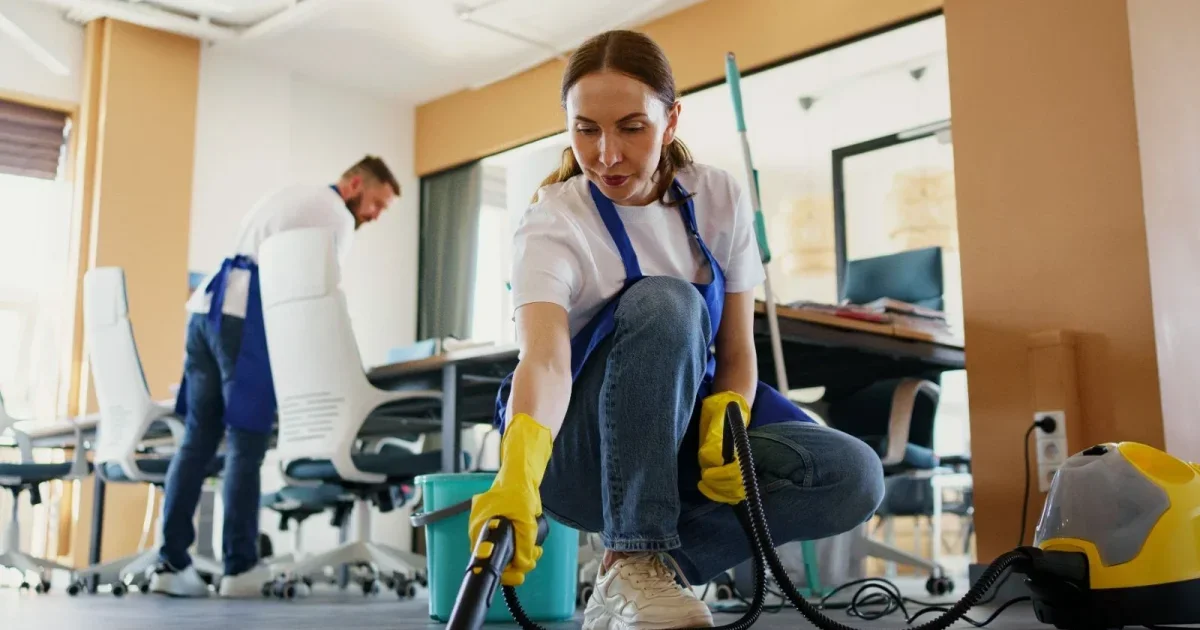
Understanding Commercial Cleaning Jobs
Commercial cleaning generally refers to cleaning services performed in business or institutional settings rather than private homes. These may include office buildings, schools, retail spaces, medical offices, warehouses, restaurants, and public facilities.
A commercial cleaning role may involve routine tasks such as:
Cleaning Area | Common Tasks | ||||||||||||||||
|---|---|---|---|---|---|---|---|---|---|---|---|---|---|---|---|---|---|
Office areas | Dusting, vacuuming, trash removal, surface wiping | ||||||||||||||||
Restrooms | Sanitizing fixtures, restocking supplies, mopping floors | ||||||||||||||||
Break rooms | Cleaning counters, tables, sinks, and appliances | ||||||||||||||||
Entryways | Sweeping, glass cleaning, mat maintenance | ||||||||||||||||
Floors | Vacuuming, mopping, buffing, or carpet care | ||||||||||||||||
High-touch surfaces | Door handles, switches, shared desks, railings Commercial cleaning is often scheduled outside regular business hours, such as early mornings, evenings, or overnight. Some positions are full-time, while others may be part-time or assigned by contract. Office Cleaning Services: What Workers Usually DoOffice cleaning services focus on maintaining work environments used by employees, clients, and visitors. In a typical office setting, cleaners may be responsible for general office cleaning such as vacuuming carpets, emptying trash bins, wiping desks or shared surfaces, cleaning windows or glass partitions, and maintaining restrooms. Cleaning services for offices may also include periodic tasks such as carpet extraction, floor polishing, upholstery cleaning, or deep cleaning office spaces after renovations, seasonal changes, or high-traffic events. Office cleaner jobs may require attention to detail because workers often clean around desks, computers, files, and shared equipment. Employers may provide instructions on which areas should not be moved or touched, especially in offices with confidential documents or specialized equipment. Industrial Cleaning vs. General Office CleaningIndustrial cleaning is usually more specialized than general office cleaning. It may take place in factories, warehouses, manufacturing plants, distribution centers, food processing facilities, or other operational sites. Industrial cleaning may involve larger spaces, heavier equipment, stricter safety rules, and exposure to materials that require careful handling. Workers may clean production floors, machinery areas, storage zones, loading docks, or high-dust environments. Depending on the site, industrial cleaning may require training related to chemicals, personal protective equipment, lockout procedures, or hazard communication. OSHA notes that cleaning industry employees may face hazards related to chemicals, equipment, physical tasks, and the work environment itself. For this reason, industrial cleaning positions often place greater emphasis on safety procedures than basic office cleaning roles. Deep Cleaning Office SpacesDeep cleaning office work goes beyond routine maintenance. It may be scheduled weekly, monthly, quarterly, or after special events. A deep cleaning office assignment might include cleaning baseboards, detailed restroom sanitation, disinfecting high-touch points, cleaning behind furniture, washing interior glass, steam cleaning carpets, or removing built-up dust in vents and corners. Deep cleaning can be physically demanding because it may require bending, lifting, moving light furniture, or using specialized tools. It may also involve stronger cleaning products than those used in daily maintenance, which makes training and proper labeling important. Employers should provide clear instructions on product use, dilution, ventilation, and protective equipment where required. OSHA’s cleaning industry standards page explains that cleaning hazards are addressed under general industry standards and related safety documents. Skills That May Help in Commercial and Office Cleaner JobsMany office cleaner and commercial cleaner roles do not require a college degree, but employers may look for reliability, time management, attention to detail, and the ability to follow written or verbal instructions. Some roles require workers to complete tasks independently after a checklist is provided. Useful skills may include:
|